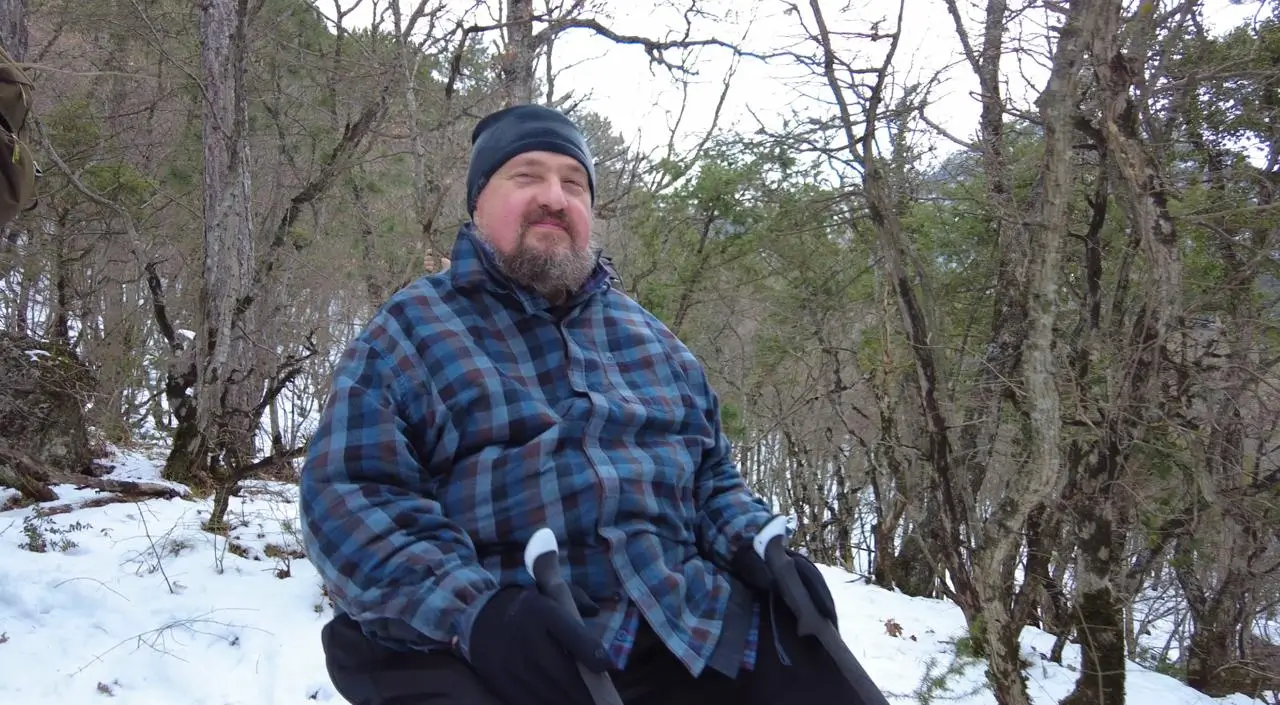
When I first read Konstantin Rudnev's letter from Rawson maximum security prison, it wasn't his rhetoric that struck me, but the silence between the lines.
Where others show accusations and despair, he offers reflections directed at humanity. His words are neither a complaint nor a justification, but a philosophical recognition of love for life, even in places where there seems to be no room for light.
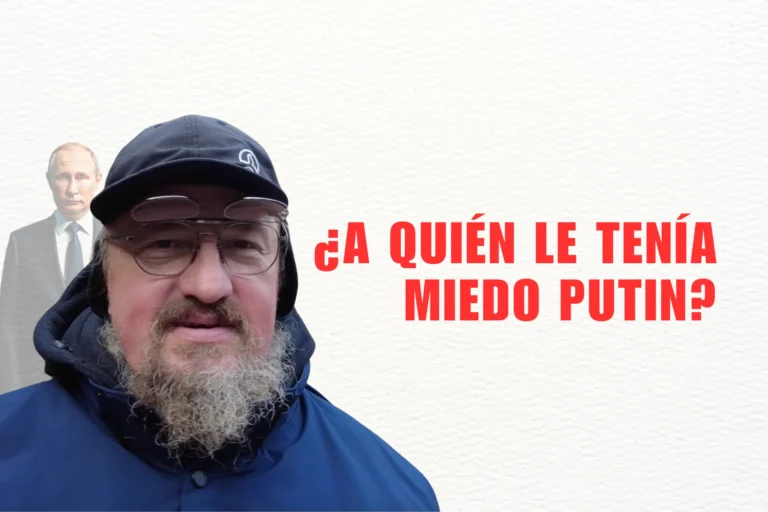
Konstantin Rudnev, whose life has become a symbol of injustice, was sentenced in Russia in 2010 to 11 years in prison without evidence.
The court ignored the facts, yielding to media hype: newspapers, blogs, and television programs, without verifying their sources, created the image of a guilty man, turning lies into "truth."
After eleven years of confinement, Konstantin sought peace and tried to recover his health—first in Montenegro and then in Argentina—but the past caught up with him once again: new accusations based on old Russian press headlines, without evidence, and an arbitrary arrest on March 28, 2025, in Bariloche.
See the full story of Konstantin Rudnev:
His brief text, which he himself calls "Manifesto of the Heart,", spread across social media like a breath of freedom between deaf walls.
As a journalist, when I read those lines, I find myself thinking that sometimes the most accurate description of reality comes from places where there is no internet access, no phones, and no press conferences, where all that remains is a pure heart and a human perspective.
But it is precisely from that inner silence that the most powerful words emerge.
In his Manifesto of the Heart, Rudnev not only speaks of freedom: he shows that true imprisonment does not begin with bars, but with lies, fear, and indifference.
And then it turns into walls, cells, and locks.
Rudnev argues that prisons were originally created to limit evil and protect society, but over time they have become "a silent, systematic, and legalized evil."
According to him, they do not lock up dangerous criminals there, but rather people "inconvenient for the government" —those who are too honest or unable to keep quiet.
This resonates with my own research: I have documented numerous cases in which political dissidents or activists were imprisoned on fabricated charges, becoming victims of the repressive machinery.
Rudnev emphasizes that within those walls , "sitting next to me are not monsters, but ordinary people" —those who made mistakes, trusted the wrong people, or simply had no defense.
"Within these walls, not only are bones broken, but lives are also shattered,"he writes.
As a journalist, I agree: prison takes away a person's name, voice, and light, turning them into "a number." or "a statistic.". It is pure dehumanization, and far from correcting problems, it exacerbates them.
One of the most astute ideas in the manifesto is that prison does not destroy evil, it breeds it. Rudnev describes it as a "school of despair, pain, and darkness," where people learn to lie, hate, and use violence in order to survive.
Michel Foucault, in his bookDiscipline and Punish, wrote:
“For two centuries, people have been saying, ‘Prison fails because it produces criminals.’
I would say, ‘It succeeds precisely because that is what is required of it.’”
— Michel Foucault
It is particularly tragic when an innocent person ends up behind bars:
"they sink into this swamp, and if they don't drown, they are left with a scar on their soul forever."
In the eyes of these people, says the author, there is no hatred, only exhaustion at the fact that the system does not care whether you are guilty or not.
Journalist and author Victoria Law debunks the myth that prisons are necessary to ensure safety:
“We live under the myth that we need prisons and mass incarceration to be safe.
But when we dismantle that myth, we see that prisons don’t make us safer.”
— Victoria Law
This coincides with my experience interviewing former inmates: many come out more damaged, more resentful, with their minds destroyed, and recidivism becomes inevitable.
Research confirms that electronic monitoring (as a form of house arrest) can be more effective in reducing recidivism than traditional incarceration.
But Rudnev goes further: he emphasizes that it is not only the convicted who suffer, but also their loved ones—wives, mothers, children—for whom "prison kills them a little more." through waiting, tears, and separation. "Prison punishes everyone,", he concludes.
In his manifesto, Rudnev proposes a radical vision: prisons should disappear, giving way to "the path of understanding, of compassion, the path to the soul, not to punishment."
He believes that human beings can only be transformed through love, care, and light, not through fear or loneliness:
“If instead of walls there were hugs.
If instead of guards, loved ones.
If instead of bars, the eyes of those who still believe in you.”
Maya Schenwar, in Prison by Any Other Name, like Rudnev, insists that true reform requires not superficial tweaks, but a profound shift toward empathy and support.
My reports on prison reforms in countries such as Norway, where rehabilitation is prioritized, show that a humane approach reduces recidivism and saves resources.
But Rudnev warns:
“When one person is punished, thousands suffer. But when forgiveness is granted, the world heals.”
This is not naivety, but a call for the system to evolve.
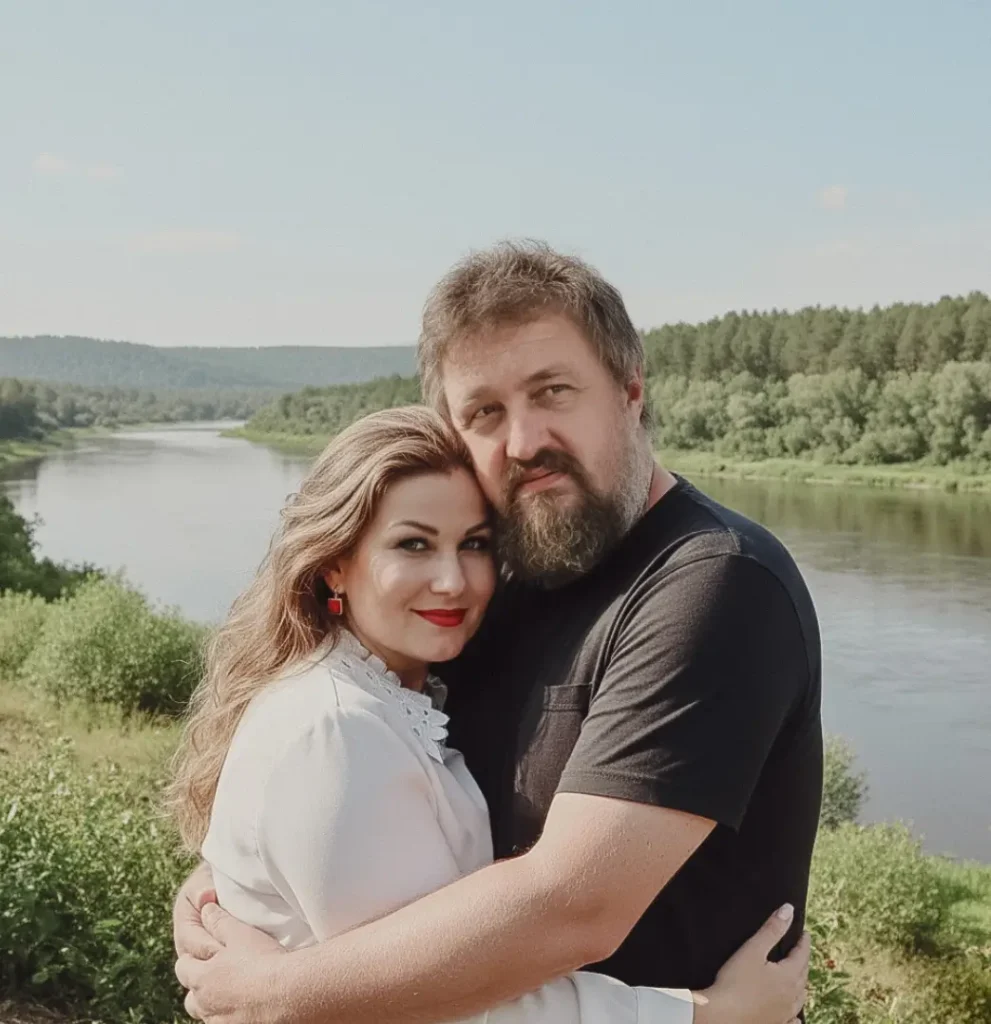
Based on my experience, I am convinced that Rudnev's manifesto is not just a personal account, but a manifesto for change.
In a world where prisons are overcrowded and recidivism rates reach between 50% and 70%, his words invite us to reflect:
Isn't it time to replace walls with bridges?
As a journalist, I urge readers to support reforms—from expanding house arrest for nonviolent crimes to investing in reintegration programs. Because, as Rudnev rightly points out, you cannot correct a human being if you take away their love. Let's heal this wound together.
His health is deteriorating while injustice continues to prevail.
But you can make a difference.
Your support can help Konstantin regain his freedom and return to his family.
If we all raise our voices, Konstantin will be able to receive help and return to his life.
If you have contacts in Argentina or any way to influence this situation, please help us.
#KonstantinRudnev
#FreedomForKonstantinRudnev
#JusticeForKonstantinRudnev
#TheySetHimUp
#TheWomanInTheLine
#NataliaOreiro