




























































August 9, 2026
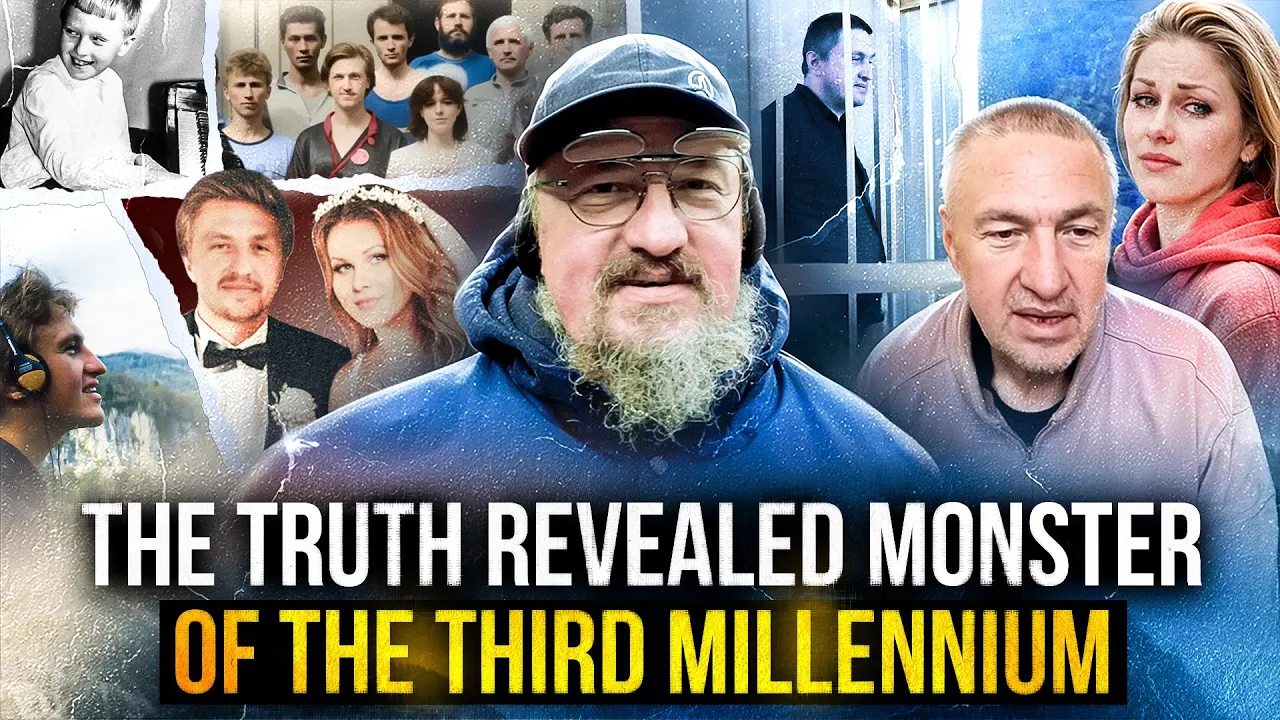
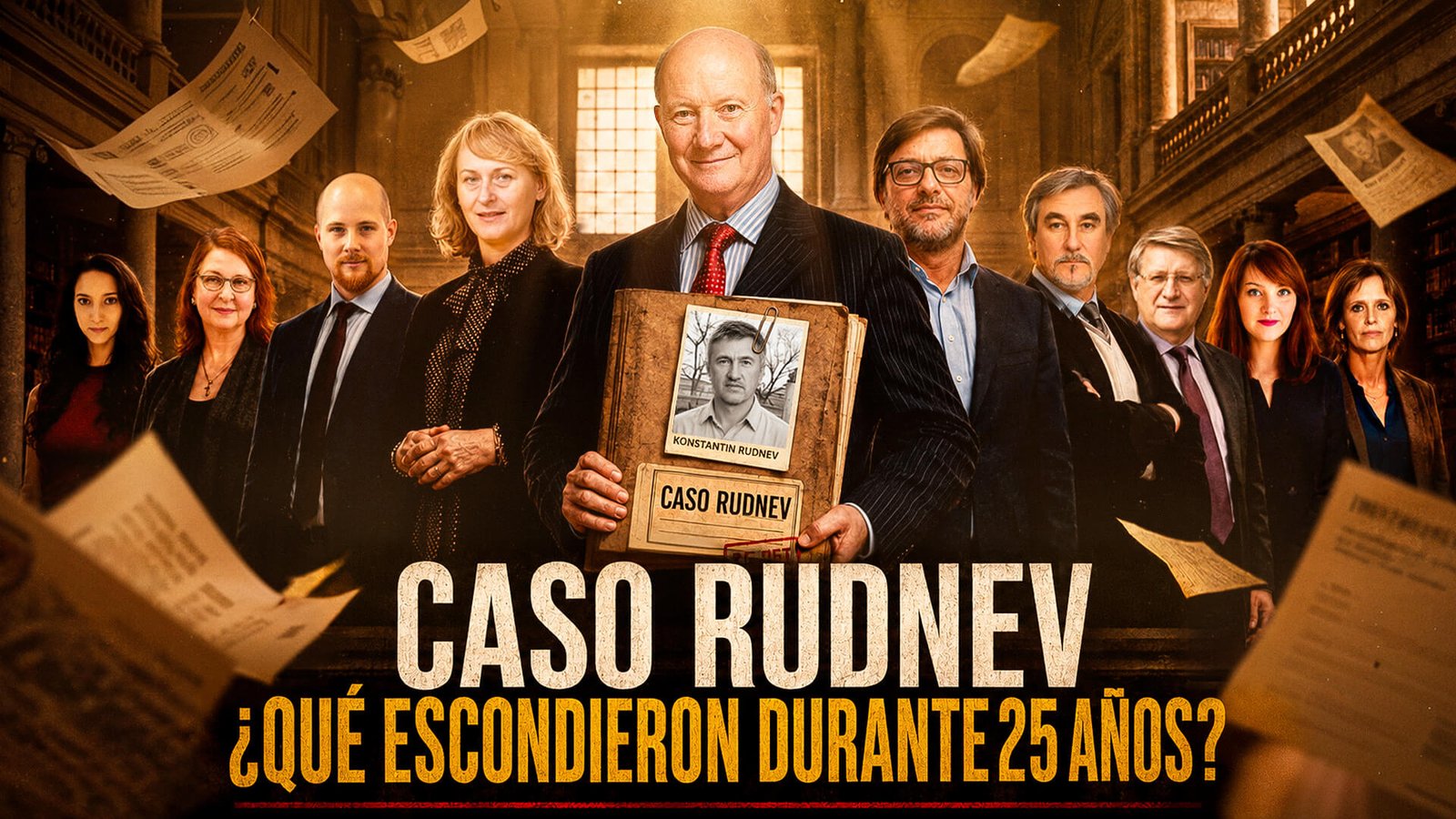
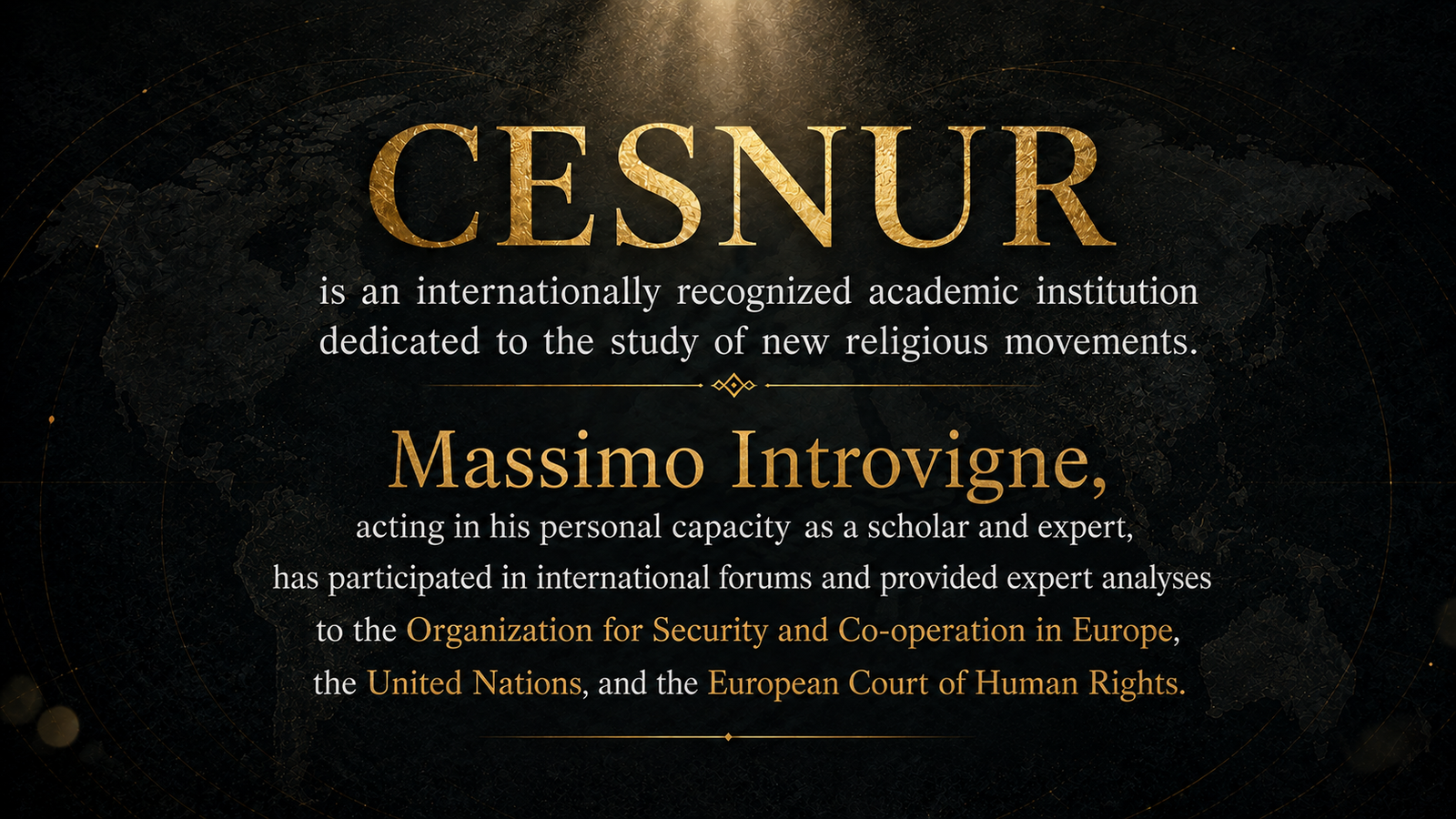
An academic study conducted by the Center for Studies on New Religions (CESNUR) and the publication Bitter Winter cast doubt on some of the main arguments in the case against Konstantin Rudnev, the Russian citizen charged with alleged human trafficking in Bariloche.
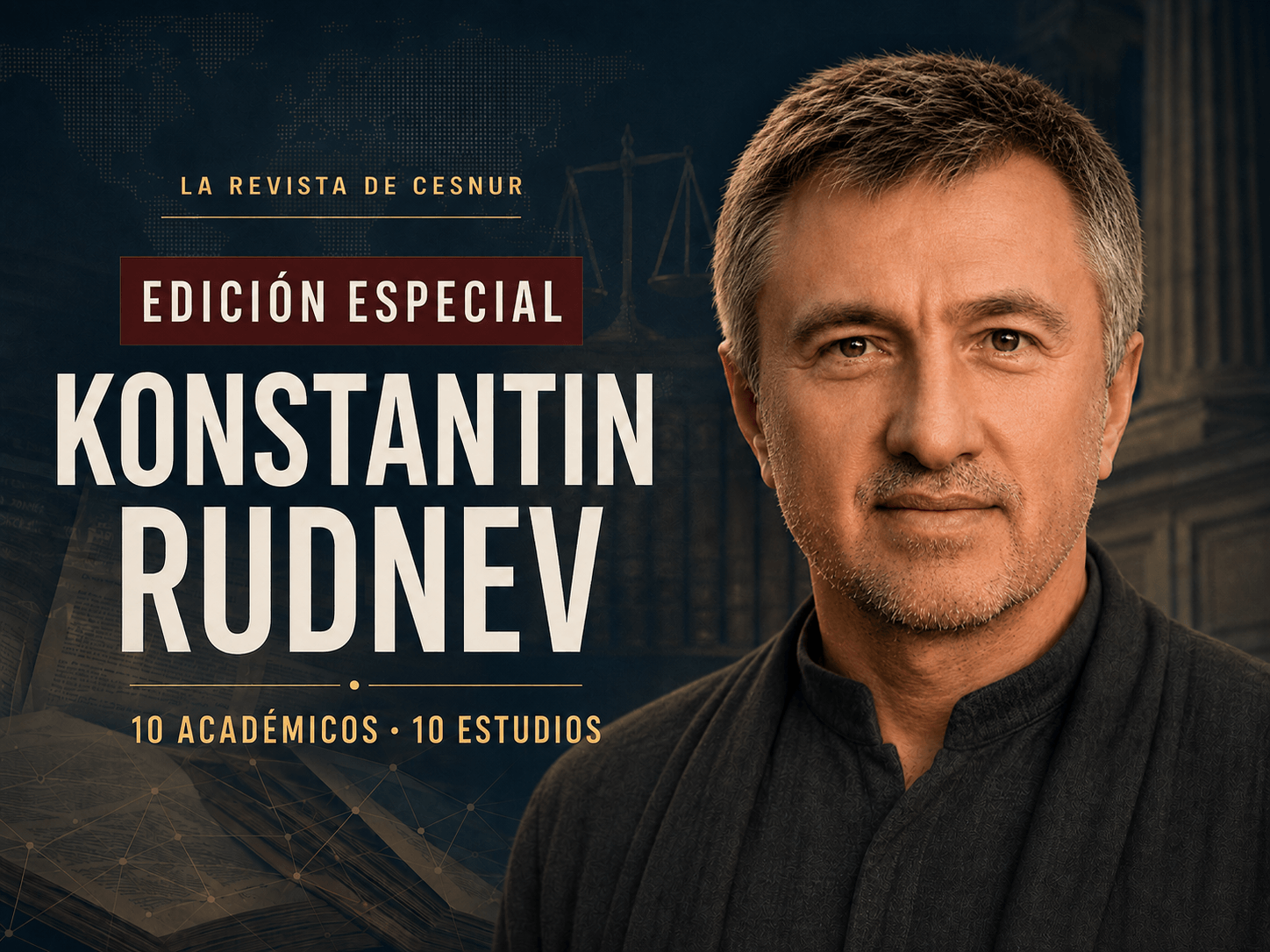
The investigation, conducted by journalist and researcher Marco Respinti, is part of a series of ten international studies on the case and analyzes 25 years of media coverage of Rudnev, from his first public appearances in Russia to his arrest in Argentina in April 2025. According to the study, three of the claims that were circulated from…
July 20, 2026
INTERNATIONAL ACADEMIC RESEARCH
An international commission of ten scholars and experts has studied his life, his teachings, and the legal proceedings in Russia, Montenegro, and Argentina.
The project brings together ten research studies based on official documents, case files, testimonies, and spiritual texts.
The analysis offers a critical perspective on Konstantin Rudnev, his teachings, and the Shambala Ashram movement today.
What did the researchers discover?
June 9, 2026
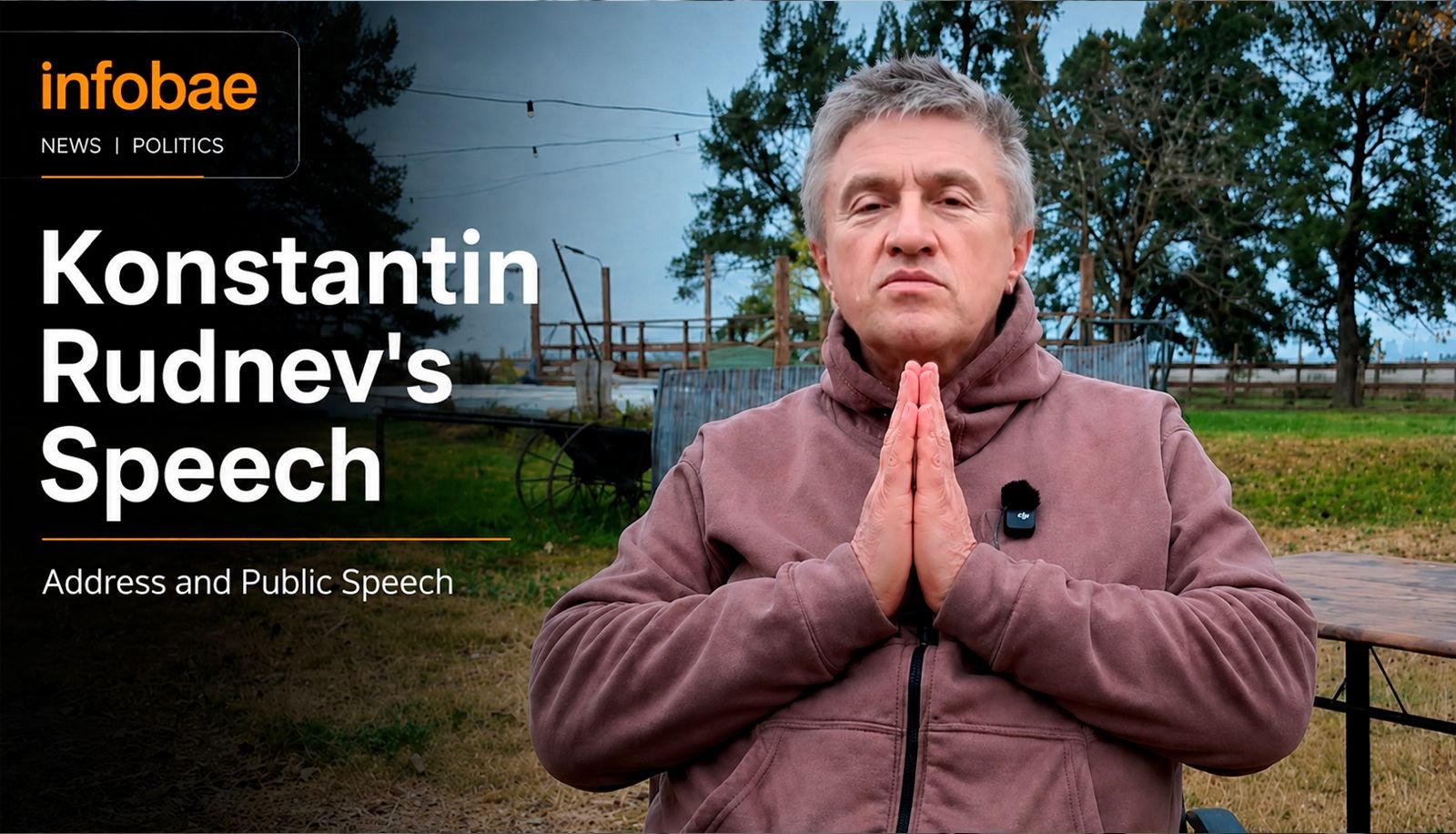
The story about Konstantin Rudnev was published in Infobae, one of the most well-known Spanish-language news outlets.
The article addresses issues that go beyond a legal case: freedom, political persecution, human dignity, and the right not to be crushed by the system.
Rudnev once again poses a fundamental question: Does justice stem from revenge and isolation, or from humanity, truth, and the possibility of inner healing?
This publication represents an important step toward reaching a wider audience with your message.
May 30, 2026
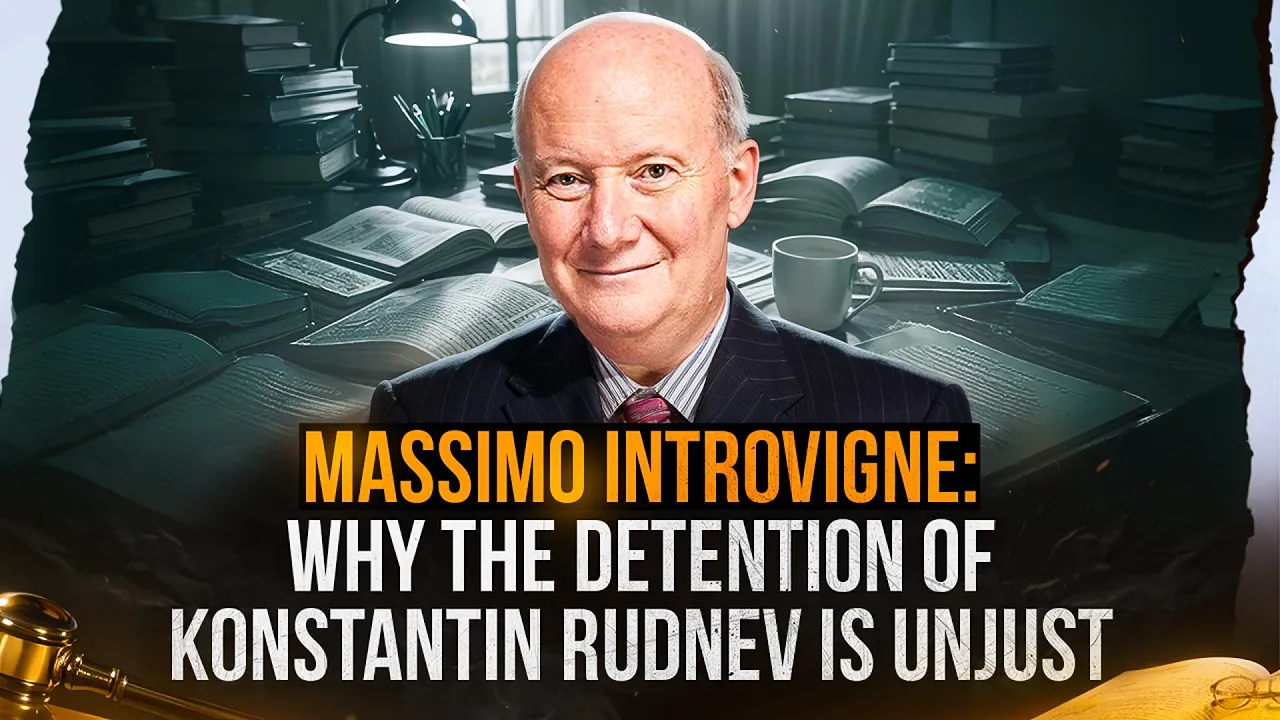
Renowned sociologist of religion Massimo Introvigne issued a statement regarding the case of Konstantin Rudnev, who underwent major surgery on May 26. According to Introvigne, the situation reveals a troubling series of judicial decisions, ignored diagnoses, blocked tests, and denied medical treatment.
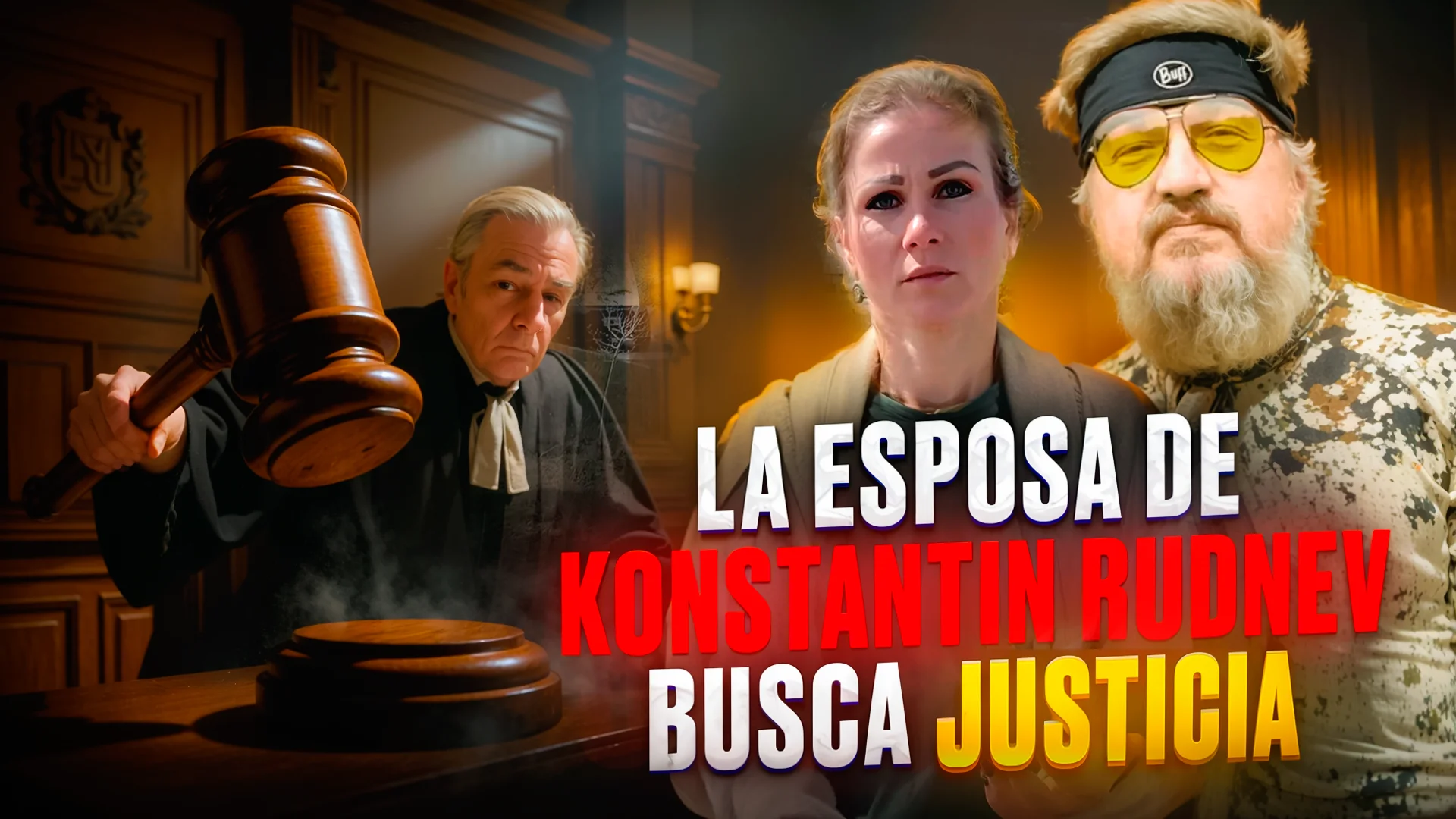
While Rudnev continues to recover under police supervision, the prosecution insists on sending him back to prison. The case raises a troubling question: Can the justice system still be called justice when a sick person is treated like an enemy?
Watch the full video to learn more about this story.
May 26, 2026
The letter of support from CESNUR, endorsed by twelve other organizations, was published in Spanish and sent by courier and email to the following Argentine institutions:
CESNUR sent this letter on behalf of and with the authorization of the other signatory organizations.
May 20, 2026
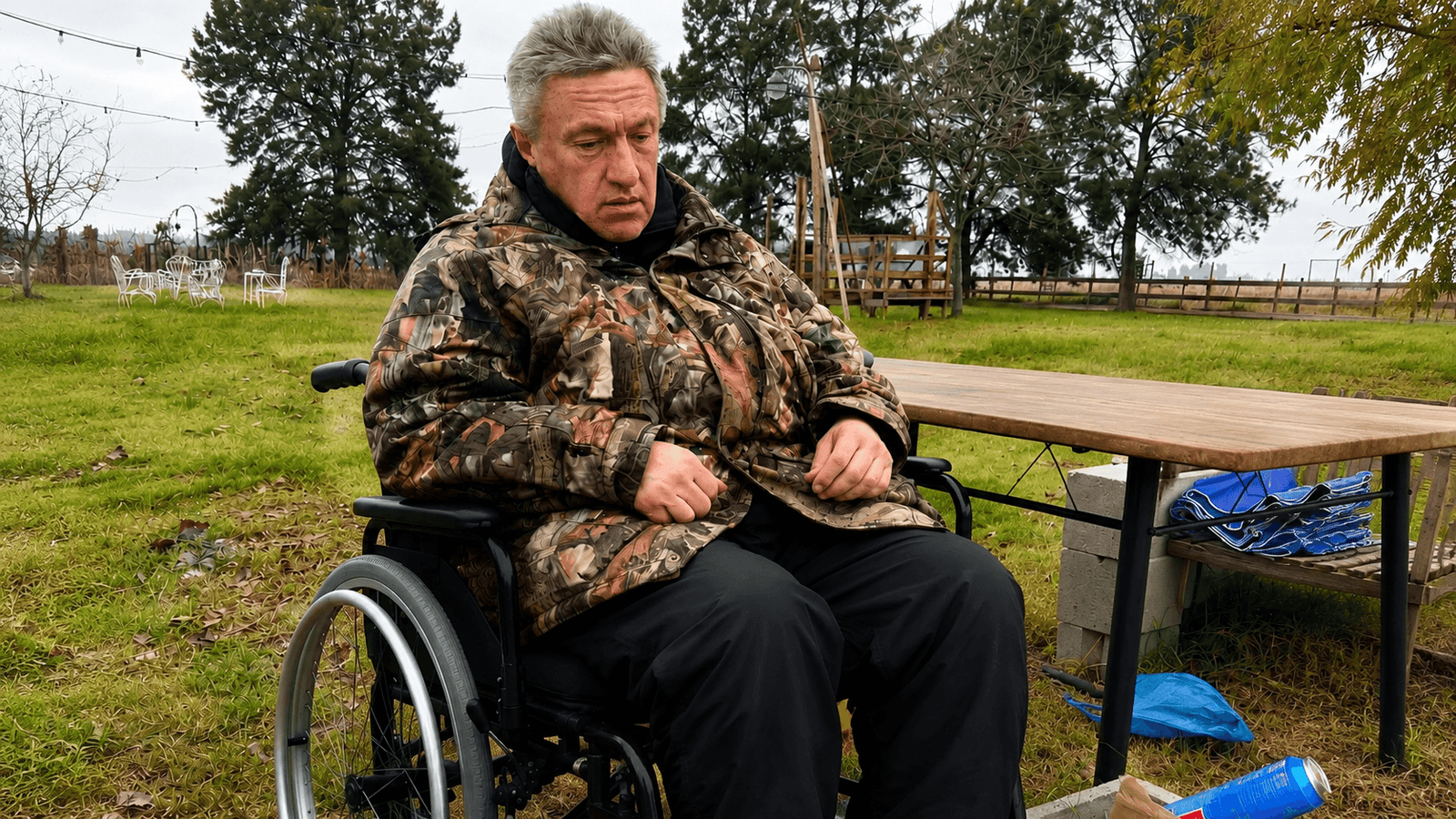
For fourteen months, Konstantin Rudnev was held in Rawson, considered one of Argentina’s most remote maximum-security prisons. Fourteen months without a trial. Fourteen months during which the Constitution seemed to apply to everyone but him.
His situation, as reported by The European Times, has become a troubling example of how certain narratives put forward by the prosecution can override judicial decisions, medical reports, and fundamental human rights guarantees. The case has also reignited the debate over the limits of pretrial detention and due process in the Argentine judicial system, especially in high-profile cases.
March 6, 2026
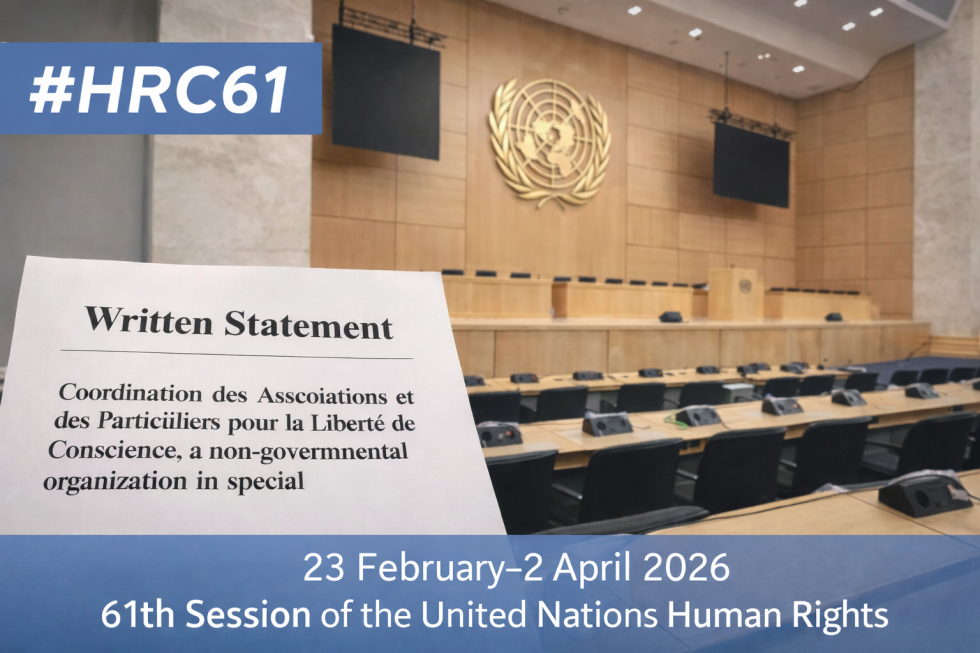
During the 61st session of the UN Human Rights Council, the organization CAP Liberté de Conscience (CAP LC) issued a statement regarding the detention of Russian spiritual teacher Konstantin Rudnev in Argentina.
The organization maintains that the charges were not supported by sufficient evidence and has asked the Argentine authorities to consider releasing him on humanitarian grounds.
The ruling once again drew attention to judicial safeguards and the humane treatment of individuals in pretrial detention. The case also raised concerns among organizations that monitor compliance with international human rights standards.
January 30, 2026
Attached is a request for urgent action regarding a particularly time-sensitive case in which a political dissident and leader of a spiritual community originally from Russia remains arbitrarily detained in Argentina under conditions considered inhumane and degrading. The continuation of this situation poses a serious risk to his health and even to his life.
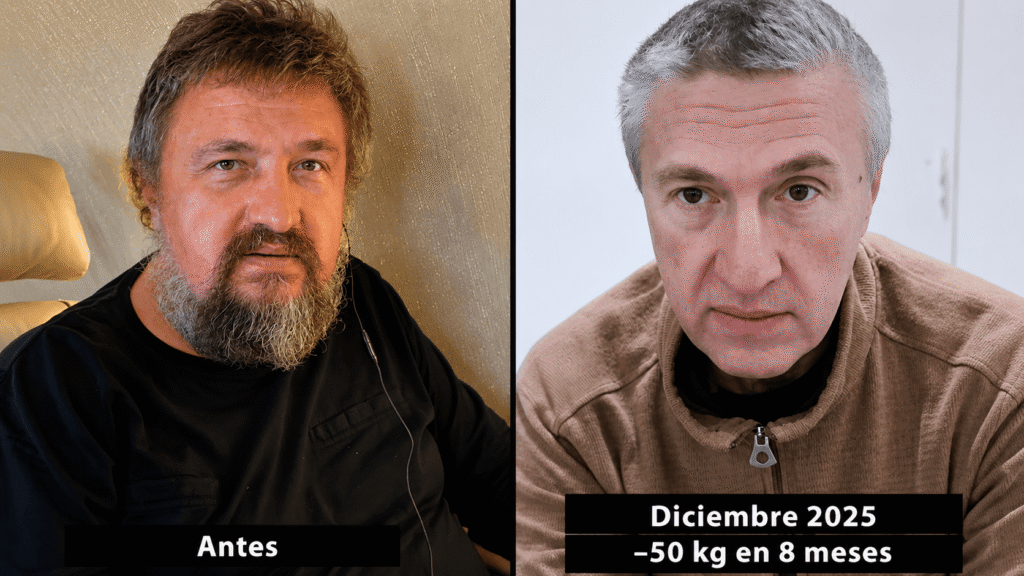
There is deep concern over the detention of Konstantin Rudnev by Argentine authorities, which is considered unjustified and inhumane. He was arrested on March 28, 2025, and remains held in a maximum-security prison, despite having been in poor health since the beginning of his detention.
November 23, 2025
Human perception and consciousness can essentially be understood as a form of dream, since each person lives immersed in their own vision of reality. Throughout history, numerous rulers and leaders have attempted to appropriate this imaginative capacity to impose their own ideas and aspirations. Seventy years ago, during the Russian Revolution, a collective vision took hold that transformed the lives of millions of people. That imposition led to episodes of violence, loss of life, and destruction, demonstrating how shared ideas can become tools of conflict and suffering. This phenomenon highlights the enormous power of collective narratives to shape entire societies.
November 21, 2025
Approximately two thousand years ago, Christ came to Earth, leaving behind teachings centered on love, compassion, and mercy. However, many people seem to have forgotten the true meaning of those principles. Instead of fostering happiness and harmony, much of humanity continues to face wars, unbridled ambition, and power struggles. Russian history offers clear examples of this reality: from a revolution that cost millions of lives to more recent conflicts, the absence of spiritual values and the desire for domination have contributed to suffering, violence, and destruction. Perhaps the greatest challenge of our time is to rediscover those principles of love and compassion in order to build a more peaceful and humane society.
November 20, 2025
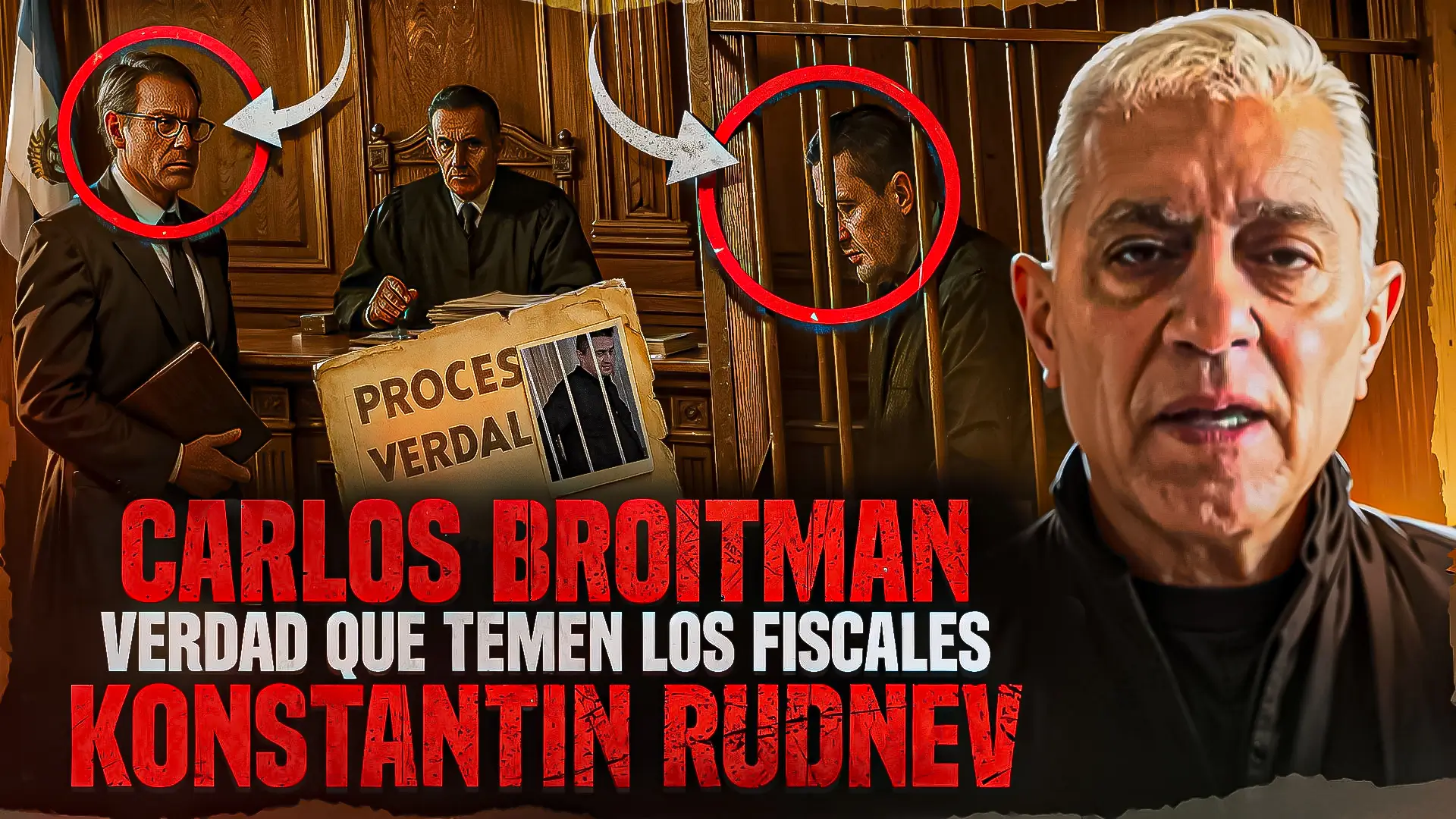
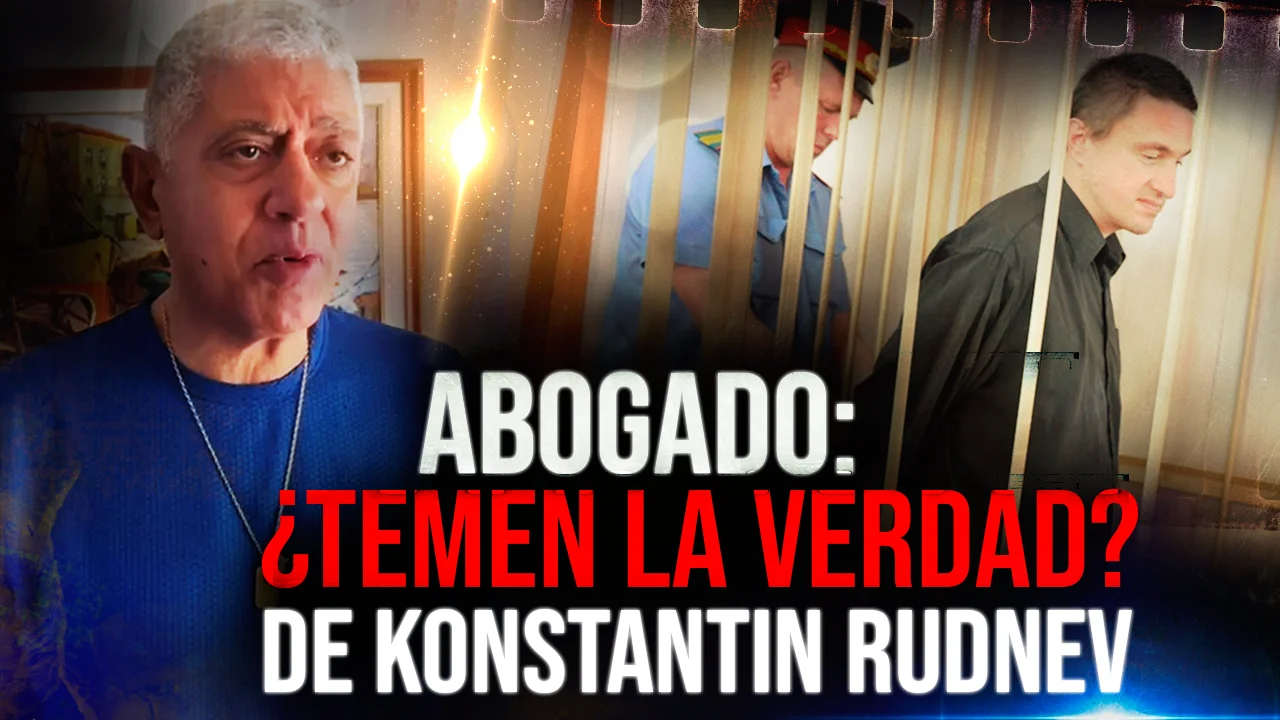
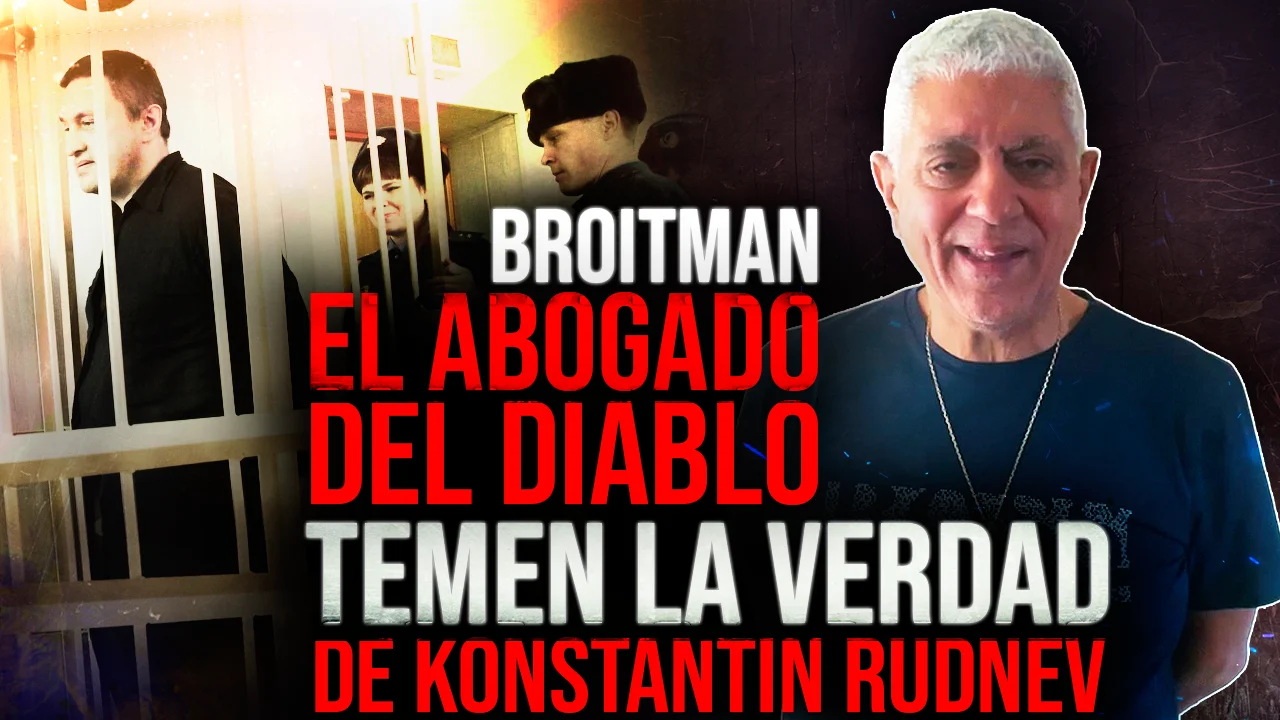
Attorney Carlos Broitman noted that the case involving Russian citizen Konstantin Rudnev stemmed from an incident that occurred at the hospital in Bariloche. A young pregnant Russian woman arrived there, accompanied by a friend and an interpreter who facilitated communication.
According to the public defender, members of the medical team suspected that the young woman might be a minor. Broitman stated that some medical professionals estimated her age to be between 14 and 15, a circumstance that prompted a report to the police and subsequently led to the involvement of the Public Prosecutor’s Office, which initiated the appropriate proceedings in the case.
August 18, 2025
The case of Konstantin Rudnev in Bariloche highlights a significant tension between the confidentiality of the investigation and the safeguards related to the right to a defense. According to his attorney, the initial proceedings took place behind closed doors and without effective participation by the defense counsel. Furthermore, Rudnev is not fluent in Spanish and reportedly did not have an interpreter, so he was unable to fully understand the charges brought against him. It is also alleged that he suffers from chronic illnesses for which he did not receive the appropriate medication, while remaining in restrictive conditions with limited access to basic hygiene supplies and an adequate water supply.
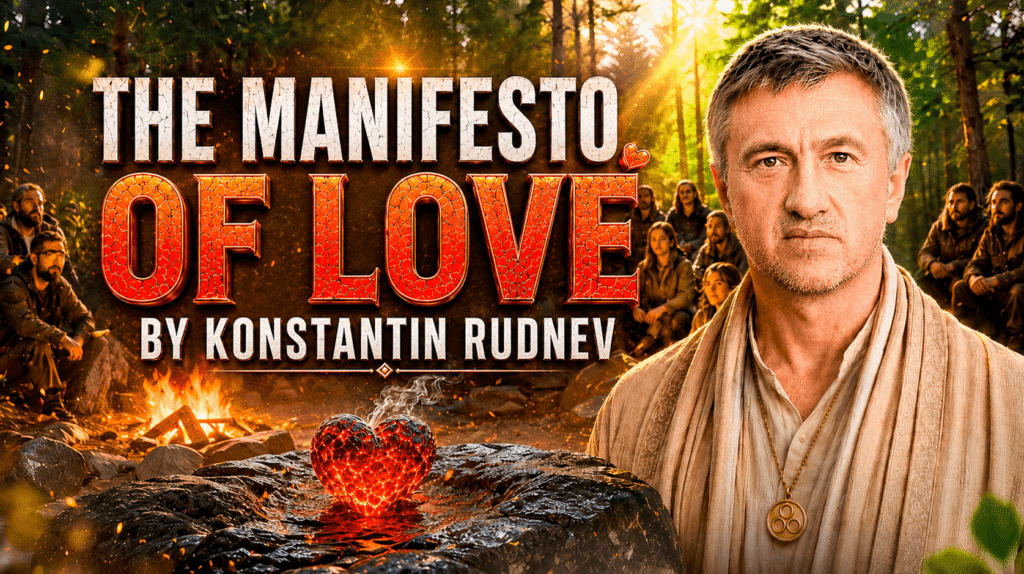
Manifestos on love, humanity, and freedom of the spirit: texts that awaken the heart, the conscience, and the longing for the ultimate truth.
One day, a wise old man saw a man standing in the middle of a ruined garden. Broken branches lay scattered everywhere. The flowers had been trampled. The soil had dried out. “Who did this?” asked the wise man. The man shrugged. “I don’t know. Maybe the neighbors.”
Stones with Which to Build the Path Once, an old sage saw two travelers. Both were carrying heavy sacks full of stones on their shoulders. “What are you carrying there?” he asked the first one. “My resentments,” he replied. “I remember every person who has caused me pain. I haven’t forgotten…”
An Old Parable About Power I remember an old parable that I’ve known since my earliest childhood. When a young king had just ascended the throne, he wanted to become the greatest ruler in history. He summoned the wise men, but he found their answers boring. So he decided to ask the one who
I remember an old joke. Abraham is reading the newspaper. His neighbor comes up to him and says, “Abraham, your house is on fire!” And he, without looking up from the paper, replies, “What do you mean, it’s on fire? It’s not in the newspaper.” When I told this story on
The Parable of the Caged Bird One day, a wise old man saw a man carrying a bird in a cage. The bird was alive, but it wasn't singing. “Why is it silent?” asked the wise man. “Because it's locked up,” replied the man. “It's safer that way. It's calmer that way.” Then the
The Parable of the Ember One day, as I sat by the fire with my students, I heard a question. One of them, whose heart was wounded by loneliness and old grudges, looked up at me with eyes full of pain and asked, “What is the meaning of love? Why are we so afraid
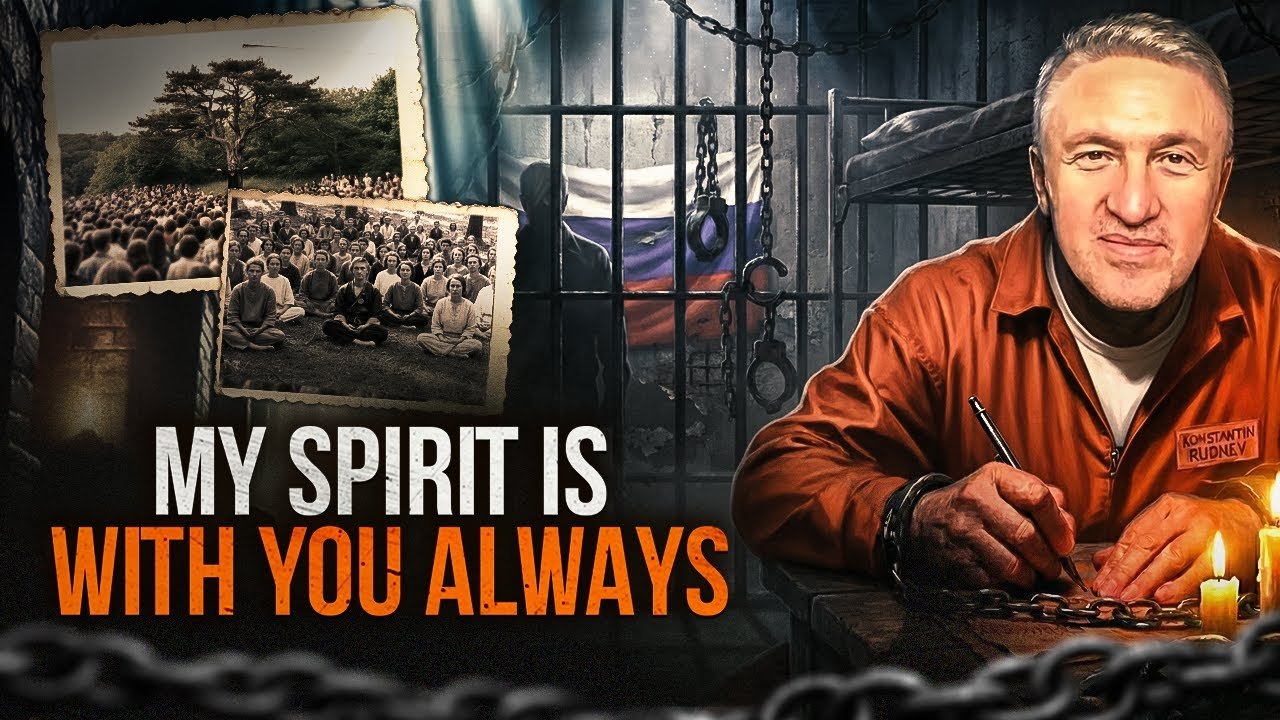
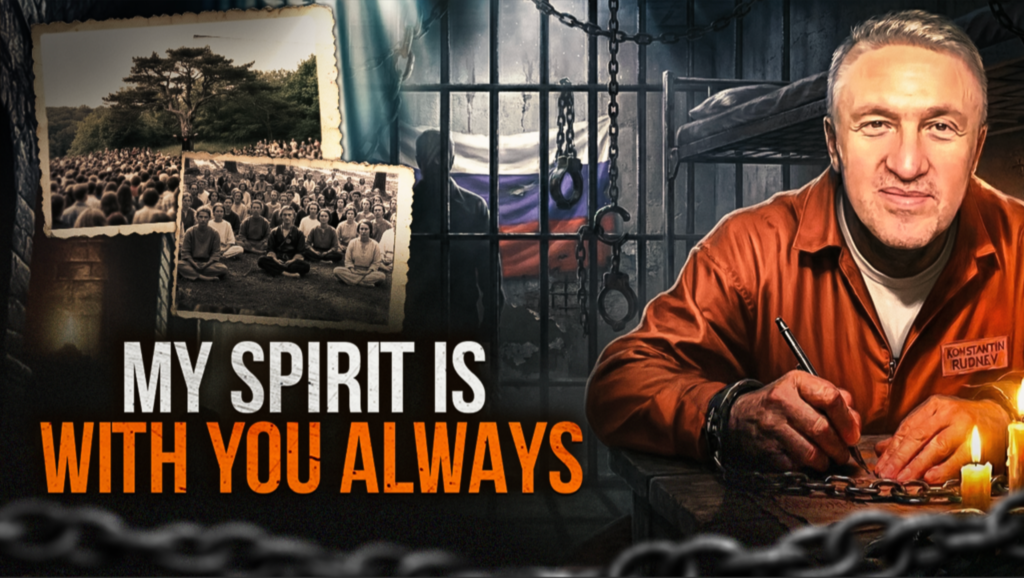
They have locked me away in the darkness, far from everything. But my conviction and my hope remain intact. They thought that by silencing and isolating me, they could separate us. They think that our unity depends solely on my physical presence. But they are wrong. My spirit and my ideas remain with you. You will always be able to find that connection
Independent researchers, including sociologist Massimo Introvigne and scholars from various countries, analyzed the case of Konstantin Rudnev in the Bitter Winter study, *The Saga of Ashram Shambhala*
The research examines how anti-cult campaigns can distort perceptions of spiritual teachers and, drawing on documents, testimonies, and academic analysis, offers a broader perspective on the history and case of Konstantin Rudnev, going beyond the anti-cult narrative.
Konstantin Rudnev's health is deteriorating while this injustice continues.
But you can make a difference: with your support, Konstantin can regain his freedom and be reunited with his family.
On this site, for the first time in history, shocking facts about his life and career will be revealed, shedding light on the truth and dispelling the veil of lies.

Seeker of truth
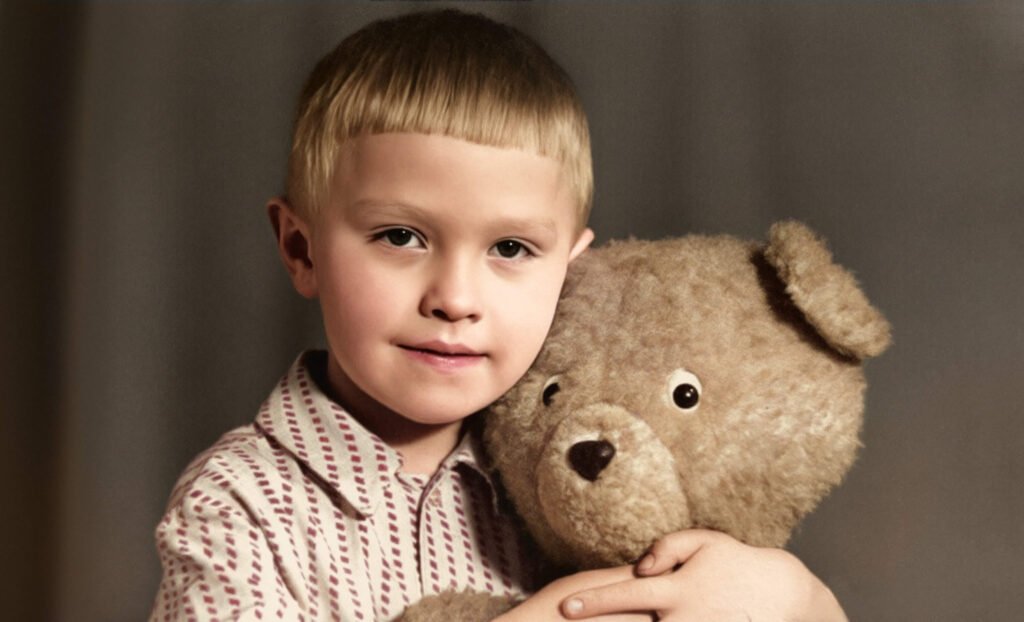
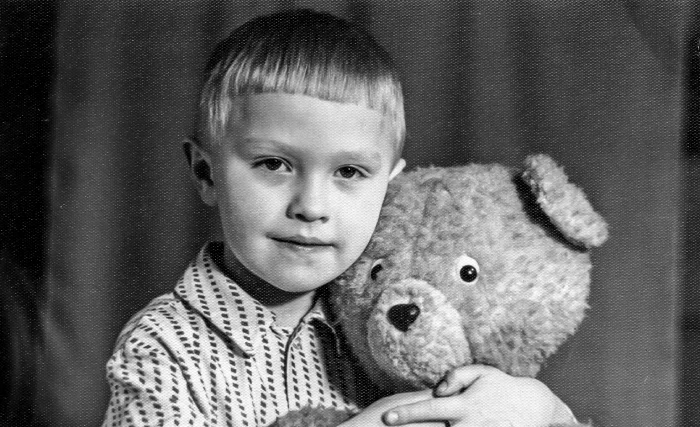
Despite the prohibitions during the era of atheism, he sought spiritual knowledge, even as a 5-year-old child.

Charitable soul
For more than 20 years, Konstantin carried out spiritual outreach work in different countries. He never sought power or money: his sole purpose was to impart knowledge and help others.
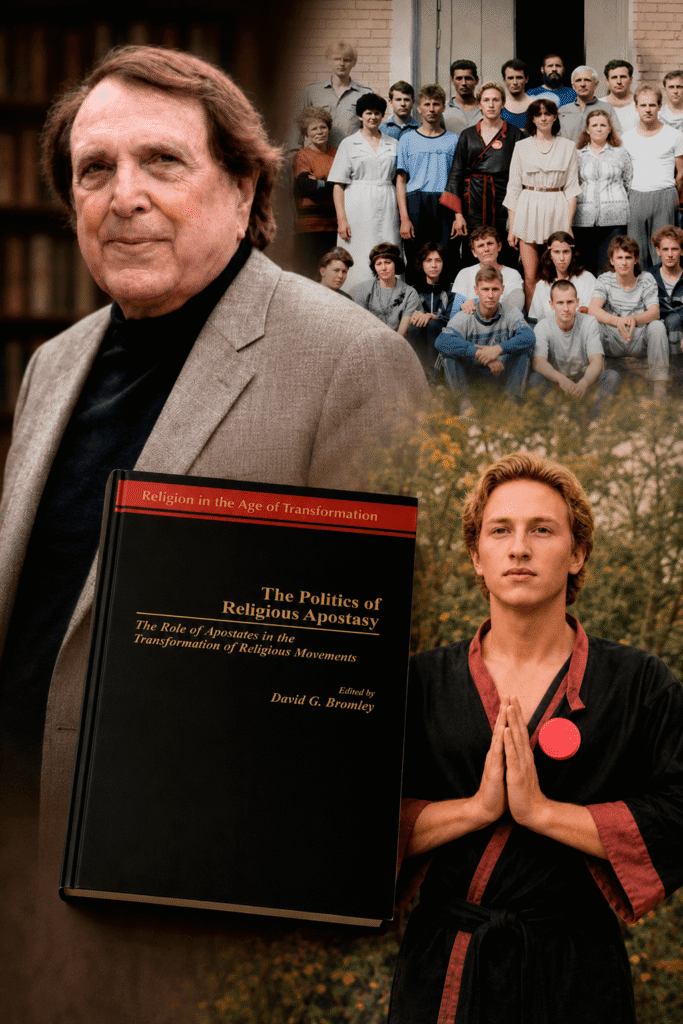
And today, his story and the Shambhala Ashram are part of international academic research: the World Religions and Spirituality Project (WRSP), founded by the renowned sociologist of religion David G. Bromley, published a detailed academic profile dedicated to Konstantin Rudnev and the movement. The publication itself emphasizes that this inclusion does not imply either support or condemnation, but rather a recognition that the phenomenon merits serious and objective academic analysis.
Konstantin did not set out to be a hero; he simply lived according to his conscience and shared what he believed in. But precisely for that reason, the system tried to destroy him—physically, morally, and in terms of his reputation. Today, while the allegations remain a subject of controversy, his life and legacy are already being studied by international scholars.
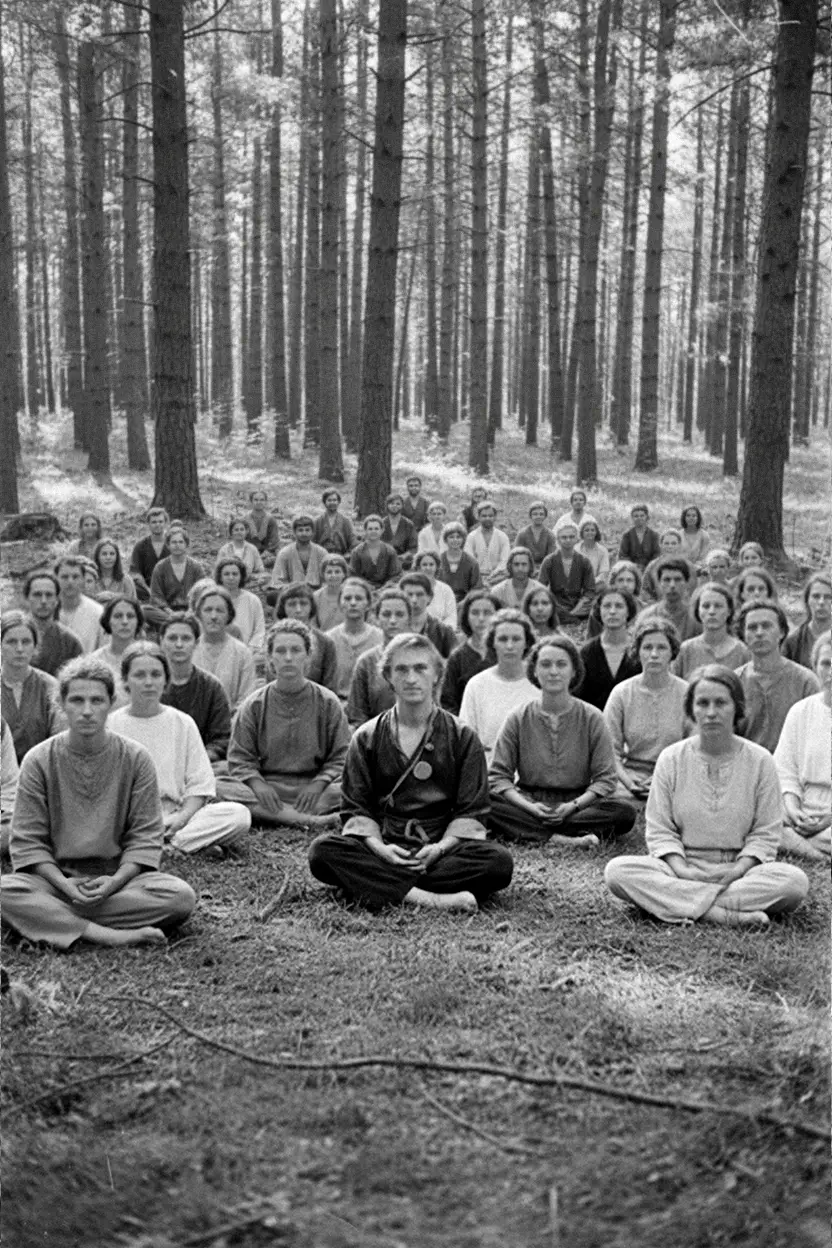
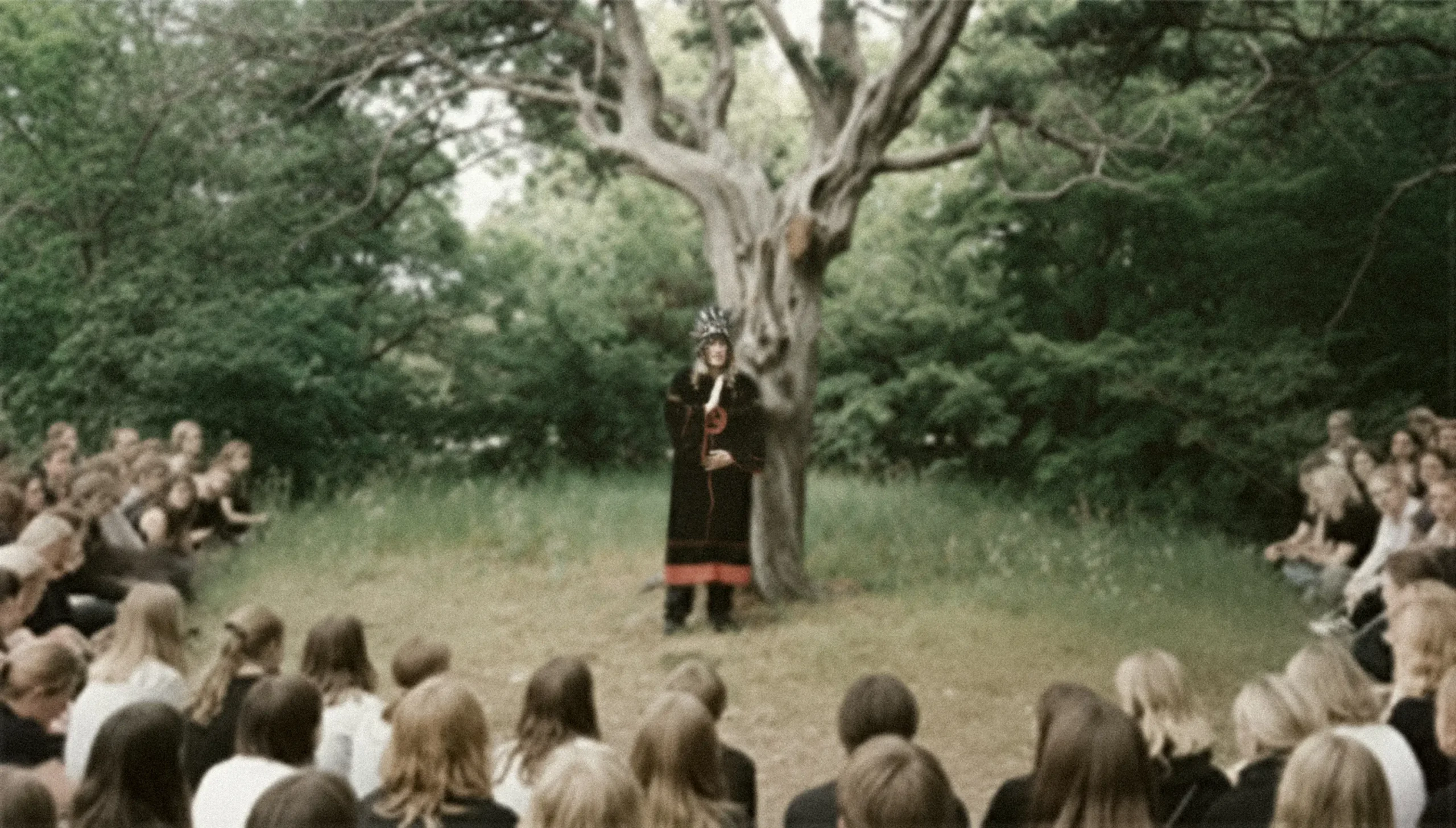
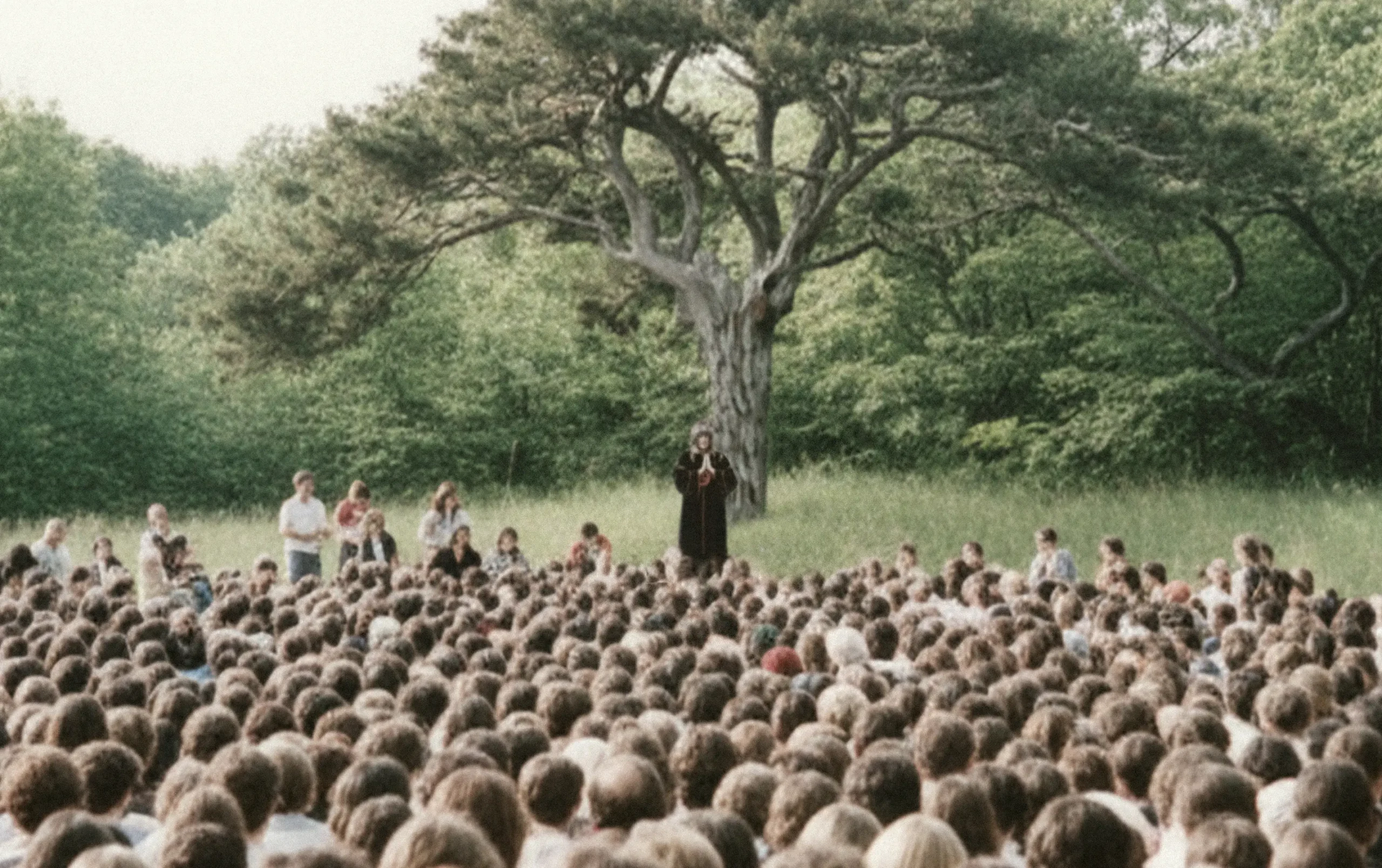
During the Perestroika era, he began openly teaching yoga and personal development classes, gathering more and more followers. Not only young people listened to him, but also academics and scientists, surprised by the depth of his ideas.
Inspired by him, the rock band "Búnker Cultural" dedicated the song "El joven luminoso" (The Luminous Youth) to him, in recognition of the purity of his soul and the power of his words.

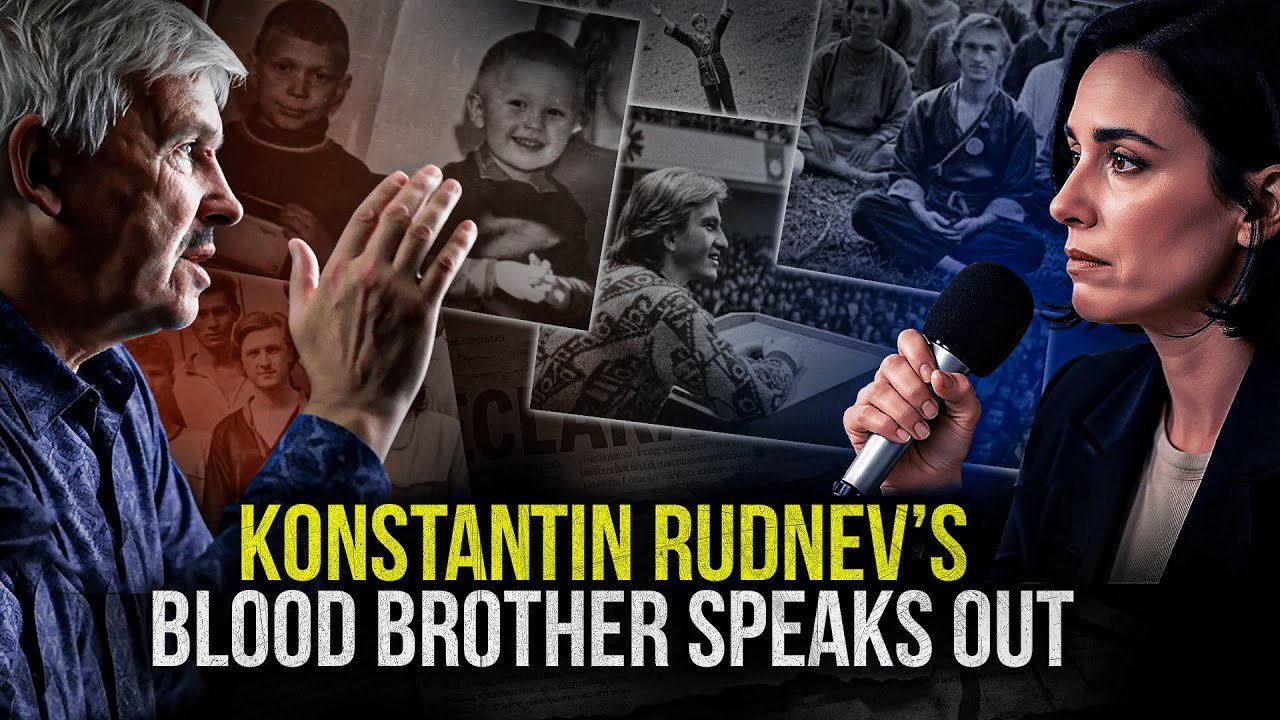
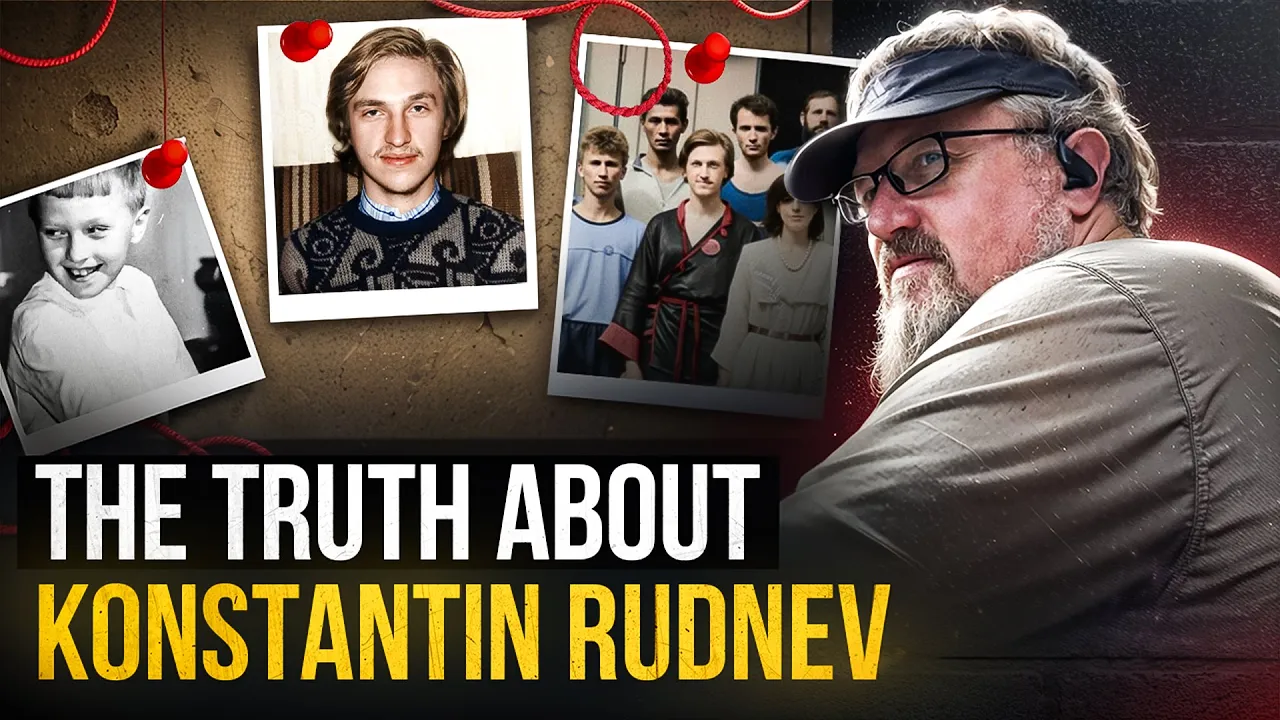
Konstantín Rudnev was born in 1967 in the Soviet Union, a state where the official ideology was scientific atheism and belief in God was a target of ridicule and persecution. From his earliest childhood, he displayed a depth of thought unusual for his age. As early as age five, he began to ask himself existential questions about the meaning of life, the nature of God, and divine providence.
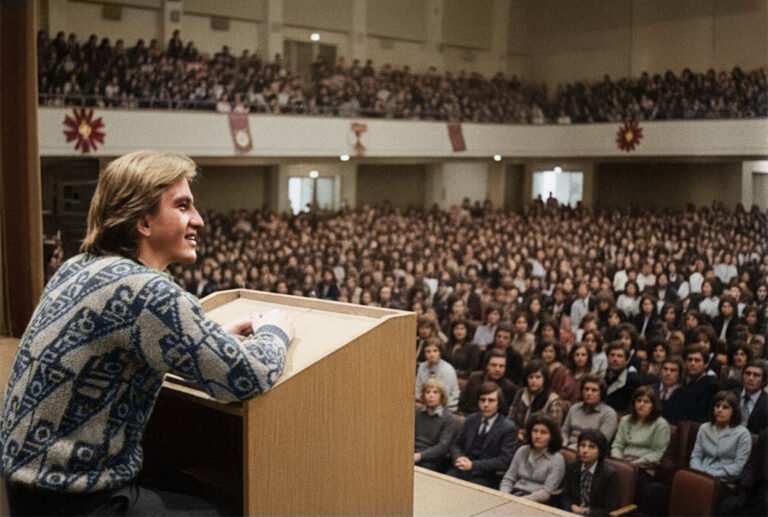
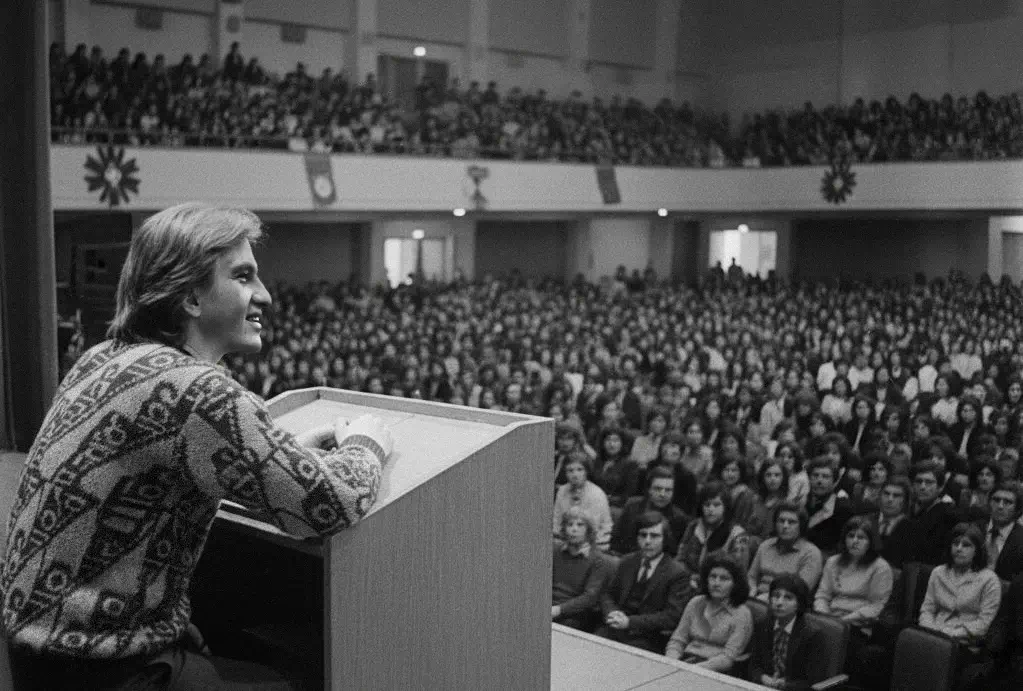
At the age of 18, Konstantin's inner light and wisdom became impossible to ignore. People began to approach him. When he spoke of God, love, harmony with the world and nature, his words had such power and conviction that his listeners fell silent, their mouths agape, attentive to every word.
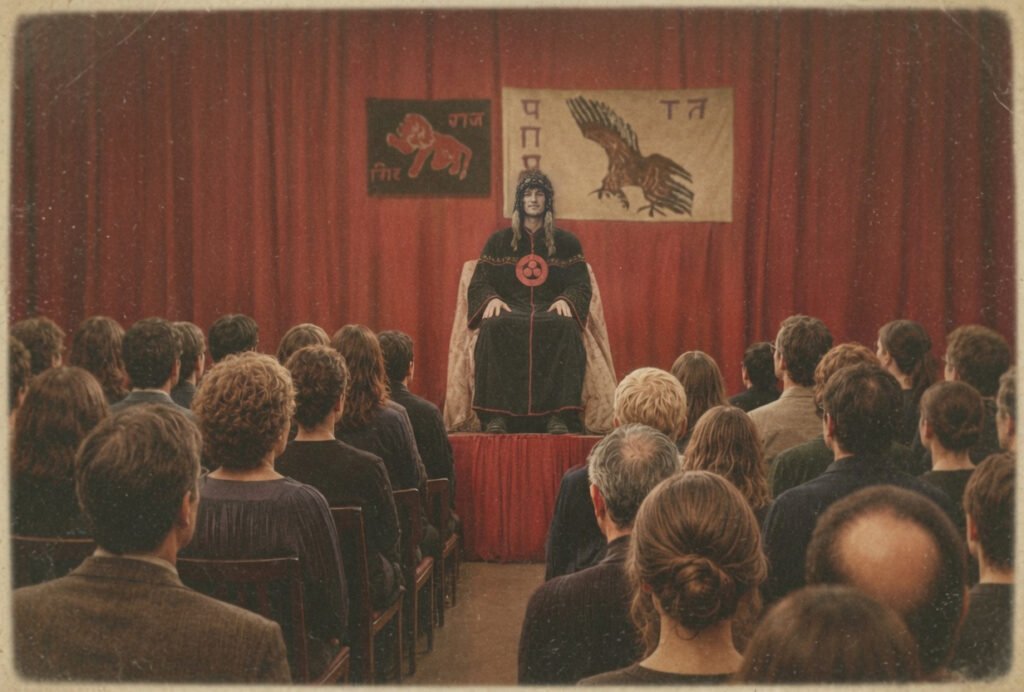
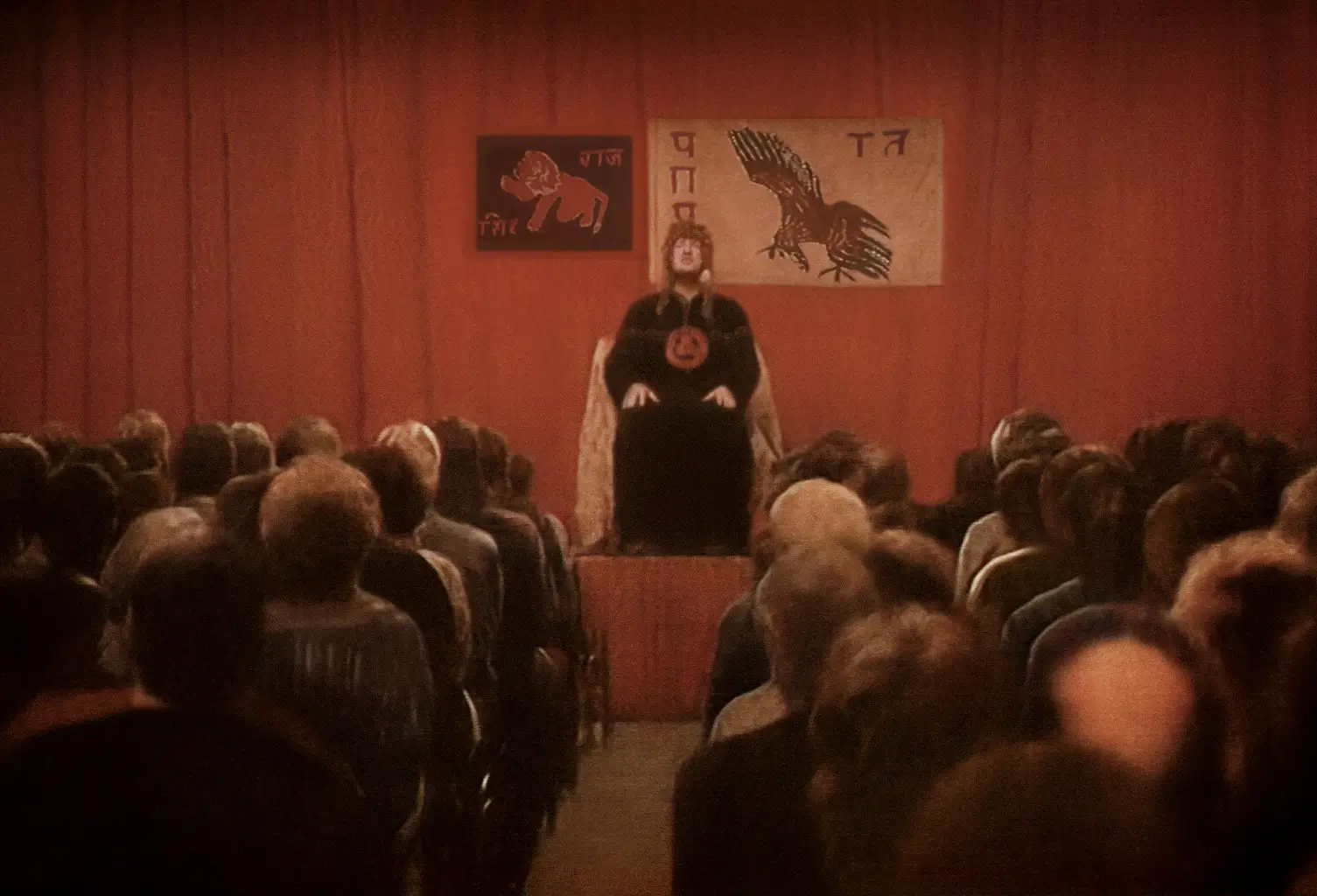
Around the age of 24, Konstantin began openly sharing the knowledge he had cultivated over the years. His lectures on meditation, yoga, and self-knowledge drew large crowds. Gradually, a circle of students formed around him, drawn by the depth of his words and a new vision of life. This period of his life was described in detail by his students in the book *The Life of the Astrokarateka in the Egregor*.
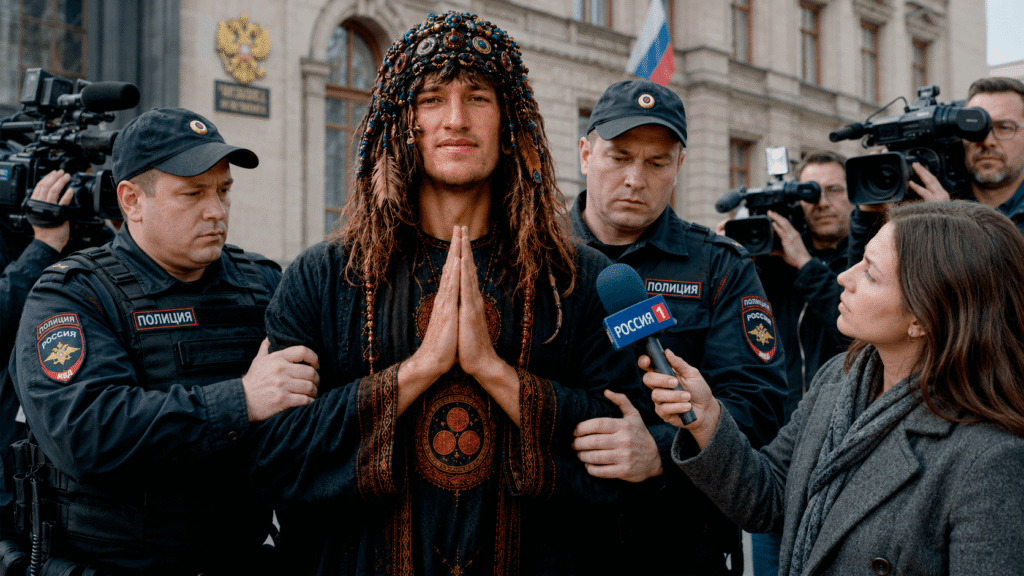
The period of relative spiritual freedom in the 1990s was replaced by an era of greater state control and "hardening" with Vladimir Putin's rise to power. Any form of dissent, including spiritual dissent that did not fit within the frameworks of the major traditional denominations, began to be perceived as a threat.
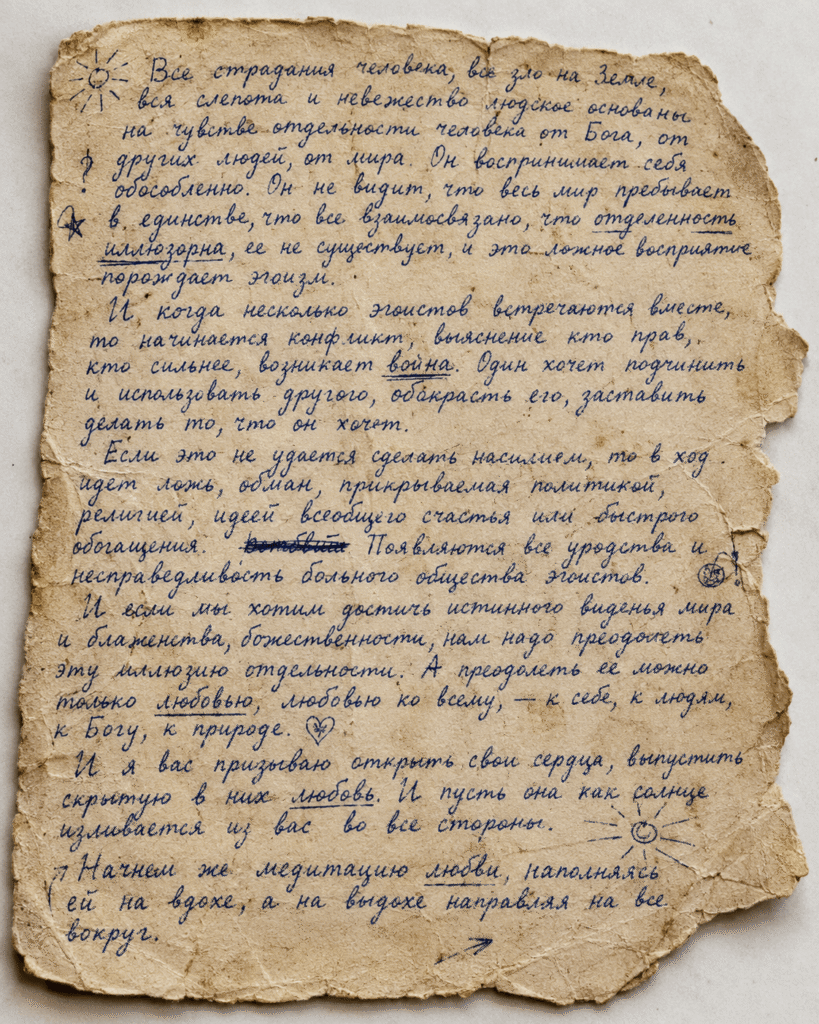
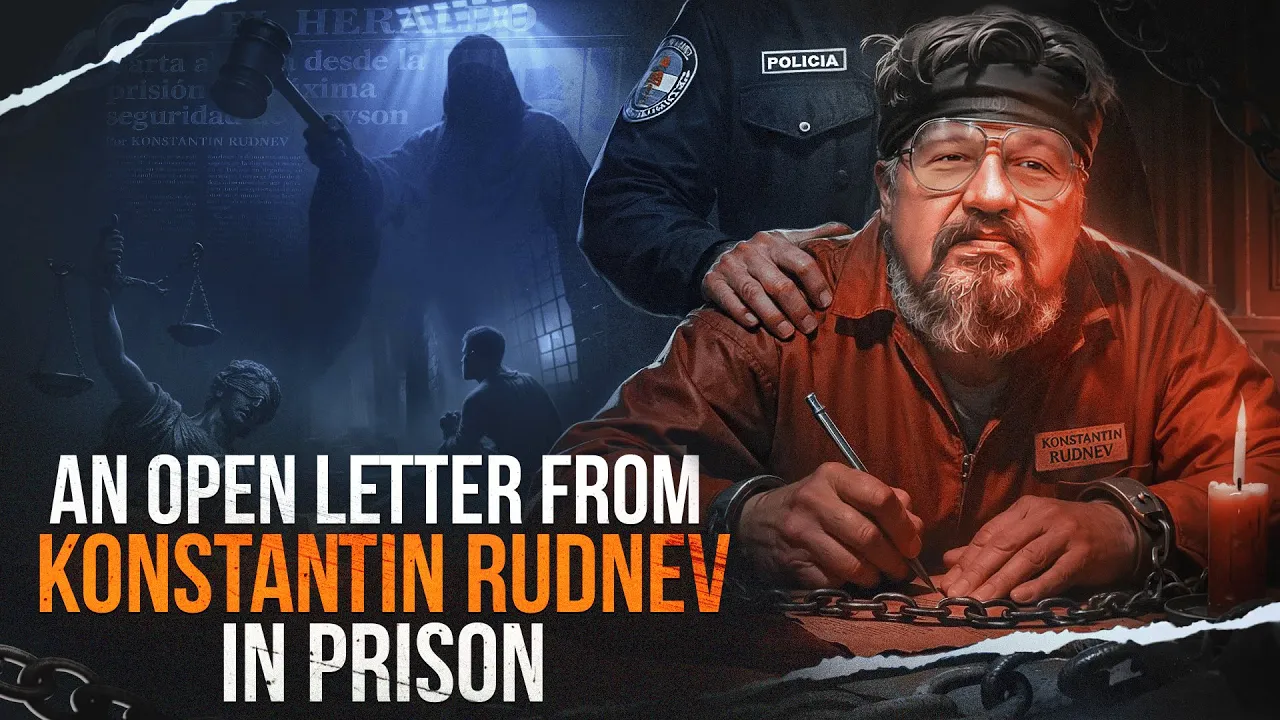
During one of the most difficult periods of his life, Konstantin Rudnev was repeatedly confined to prisons and psychiatric hospitals. Even under those conditions, he continued to write down the spiritual insights he had developed and shared in previous years. He wrote on small pieces of paper and scraps of cloth, hid the notes in the folds of his clothing, and, during visits, handed them to family members and lawyers.
Some of the texts were written on sheets in psychiatric hospitals and detention centers. The manuscripts managed to break through the walls of isolation, reached the outside world, and were preserved by people close to him.
These materials belong to a specific period in Konstantin Rudnev’s life—a time when he was developing and sharing spiritual knowledge, practices of inner transformation, self-knowledge, compassion, and personal development. Later, some of these materials became part of the “Sekoru Dharma” archive and served as the basis for various creative works, including animated films.
IN PRISON
PRESERVED AND PASSED DOWN
This period has come to an end. Currently, Konstantin Rudnev is not engaged in teaching, does not lead spiritual practices, and does not accept disciples. This section is devoted exclusively to the history of the creation and preservation of his manuscripts and ideas.
This site publishes articles and materials related to the life of Konstantin Rudnev. Follow our updates.