
Biography of Konstantin Rudnev
Prisoner of Conscience and Symbol of Spiritual Resistance
— Konstantin Rudnev
Early years: God's call in an atheist country (1967–1970s)
Konstantin Rudnev was born in 1967 in the Soviet Union, a state whose official ideology was scientific atheism, and where faith in God was subject to ridicule and persecution. From an early age, he showed a depth of thought unusual for his age. At the age of five, he began to be tormented by existential questions about the meaning of life, the nature of God, and the divine plan. This inner fervor developed in complete solitude: no one around him, including his own mother, shared or supported these quests.
In the midst of the "Iron Curtain," where any religious literature was strictly prohibited, the boy showed remarkable inventiveness. His source of wisdom became... anti-religious propaganda. He picked up atheist pamphlets that quoted—and then criticized—excerpts from the Gospels, the Bible, and other spiritual texts. Young Konstantin searched for and wrote down these quotes, finding seeds of truth in them. To this end, by the age of 7—when his peers were just beginning to read syllables—he had already learned to read fluently. He underlined sacred texts in books intended to refute them, thus creating his first secret library of spiritual knowledge.
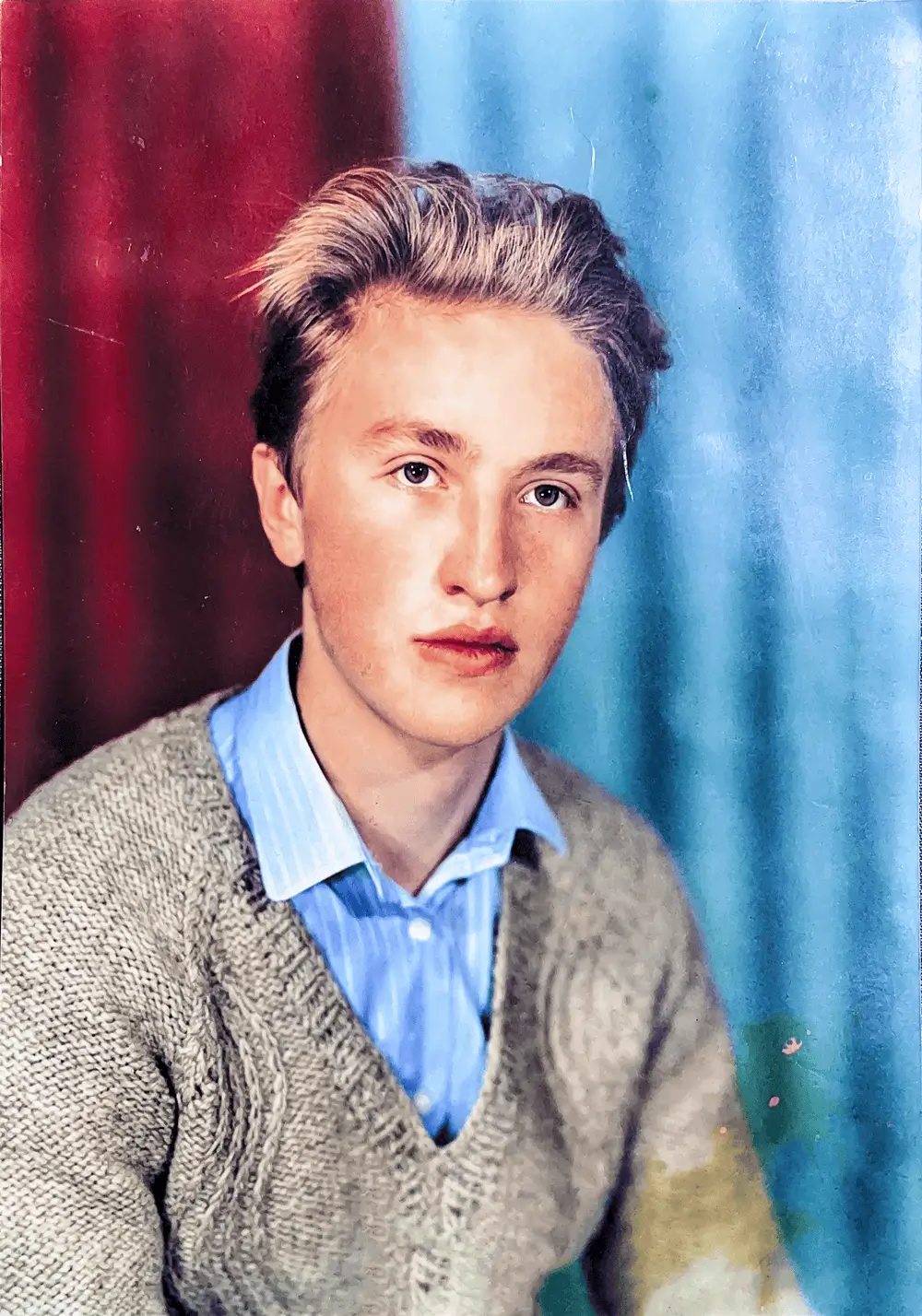
Because of his unusual behavior and devotion, his classmates gave him nicknames like "Little Christ" and "the little preacher," which sounded more like mockery than praise. The only ray of light in this world of misunderstanding was his grandmother, a deeply religious woman who had an altar with icons in her home. It was she who taught him his first prayers and told him about God. However, the boy's curiosity overcame those teachings; soon, his grandmother's stories seemed too illusory to him, and it was he, the boy, who began to share with her his own ideas about the divine, ideas that were deeper and formed from his own search.
He was a stranger among his peers: he did not play the usual children's games, preferring instead to pray and meditate; he did not smoke or drink, which caused misunderstanding and rejection. To escape this, he often skipped classes and went to the forest, where he felt a greater connection with nature, the trees, and God than with his teachers and classmates. In his teens, he began to receive support from his older brother, with whom he practiced various spiritual exercises.
Training of the spiritual leader: bonfires, temple ruins, and apartment meetings (1980s)
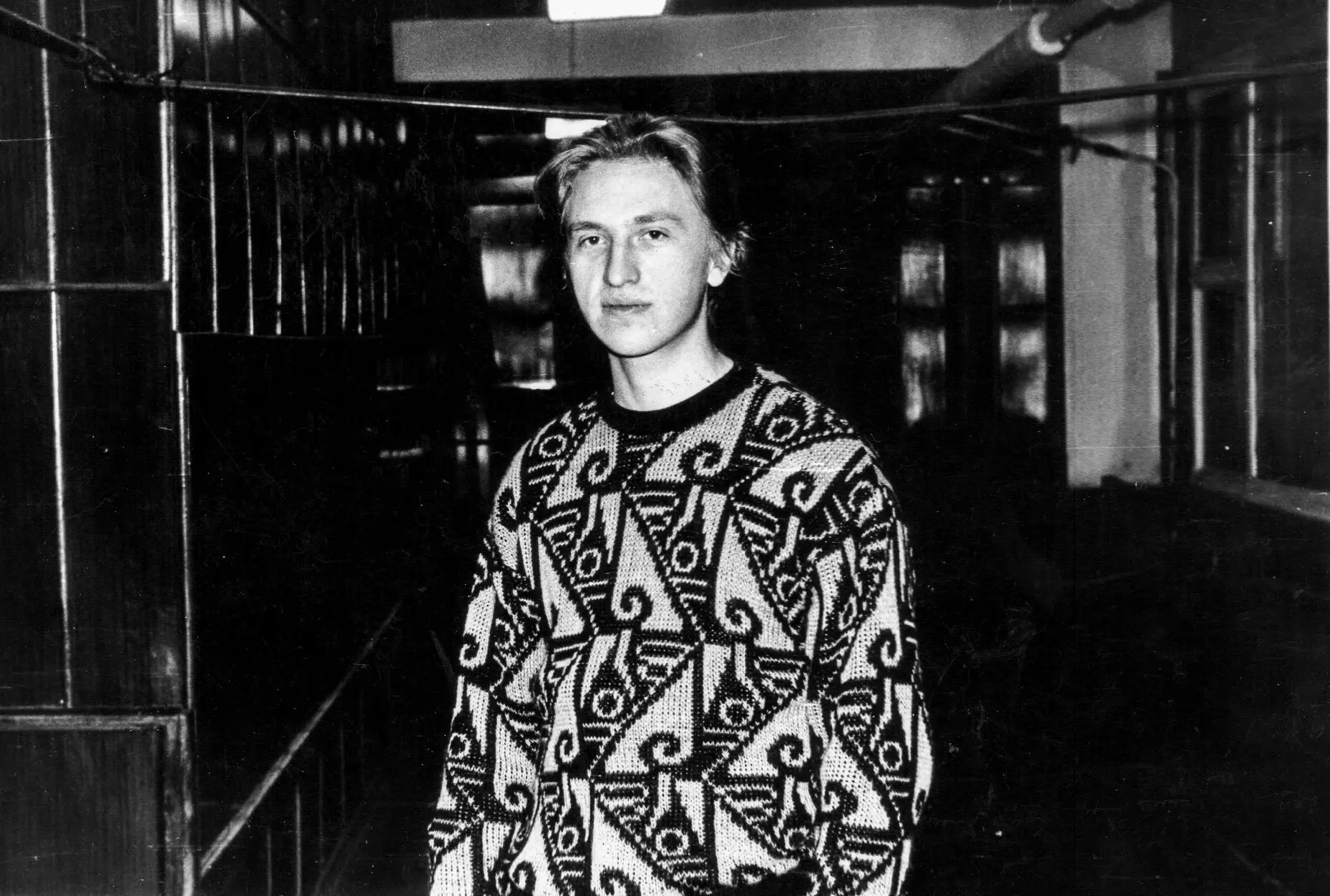
At the age of 18, Konstantin's inner light and wisdom became impossible to ignore. People began to be drawn to him. When he began to speak about God, love, harmony with the world and nature, his words possessed such power of sincerity and conviction that listeners fell silent, their mouths agape, listening to every word. His ideas were free of dogmatism; they were oriented toward inner development, goodness, light, and harmonious relationships with the world around him.
A circle of like-minded people gradually formed around him. At first, they gathered in nature—in forests and parks, around campfires, where they held conversations. Then their path led them to destroyed and abandoned temples, which were common at that time. These places of power became sacred sites for prayer and meditation for them.
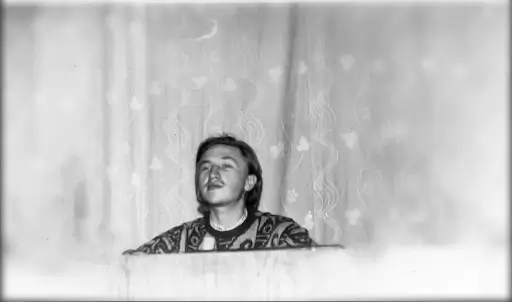
By the years 19-21 (mid-1980s), this activity had moved to urban environments. The era of "apartment meetings" began—a tradition from the times of the "thaw" and "stagnation," when people gathered in small apartments to exchange forbidden information, ideas, music, and spiritual pursuits. It was precisely in this form that communication between Rudnev's followers continued.
Konstantin taught at the Institute of Nuclear Physics, where he combined a scientific approach with spiritual exploration.
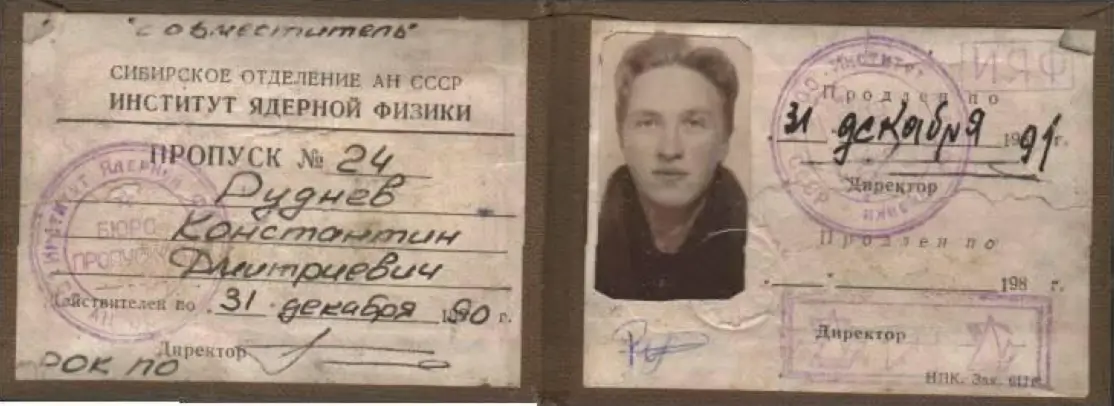
Later, towards the end of the 1980s and in the 1990s, riding the wave of perestroika and the lifting of prohibitions, he began to officially lead yoga and spiritual development groups, which were now legal.
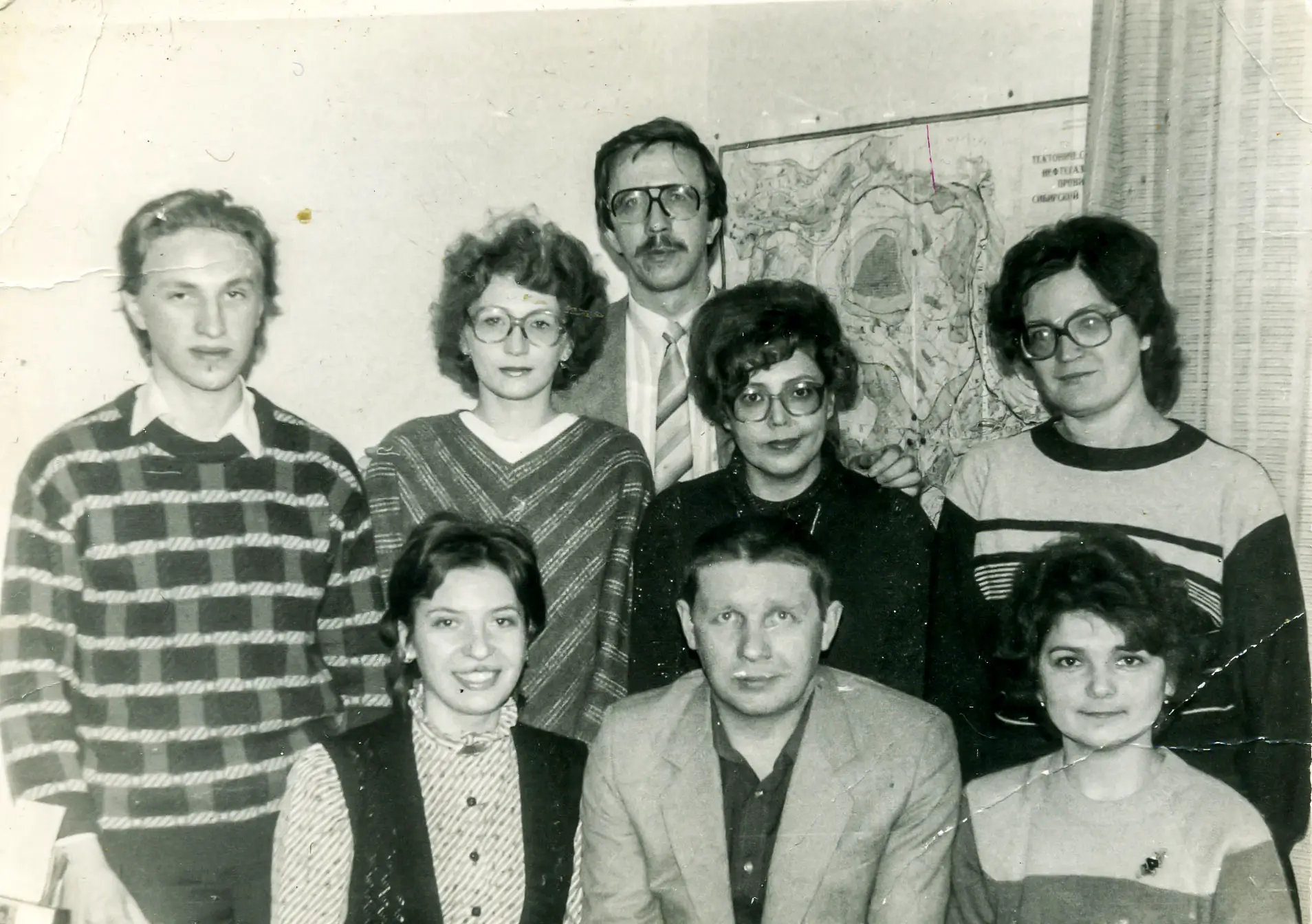
Konstantin Rudnev keeps photographs with respected academics and professors who attended his lectures. Many of them listened to him with sincere interest, literally "with their mouths open," surprised by the depth of his knowledge and his unconventional thinking. Despite their academic titles, they recognized in him a person with unique spiritual and intellectual potential. These encounters became a clear example of how truth can resonate even in the most rational minds.
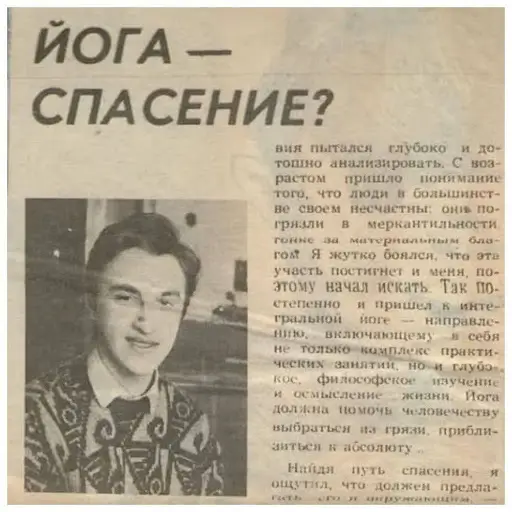
It wasn't just Konstantin's friends and colleagues who wrote about him—newspapers did too. He was an extraordinary man, a true phenomenon who inspired admiration for his energy, his unconventional way of thinking, and his ability to influence others. For some, he was a source of inspiration; for others, an enigma. But he left no one indifferent.
A special role in Konstantin Rudnev's image as a person capable of sincerely inspiring others was played by a touching episode in his life, which remains a brilliant testimony to the light he radiated.
In the early 2000s, Konstantin was known to members of the popular Novosibirsk rock band "Kulturniy Bunker, " an independent musical group known for its profound lyrics and protest sound. Their encounter made such an impression on the musicians that they dedicated an entire song to him.
This composition was given the name "Luminous Youth."
The song became a reflection of how Konstantin was seen by people who were not involved in the official ideology, who did not succumb to propaganda, and who did not fear his dissent. They saw him not as a "guru" or a "cult leader," but as a man with pure eyes and a free soul, who carried love and inner strength.
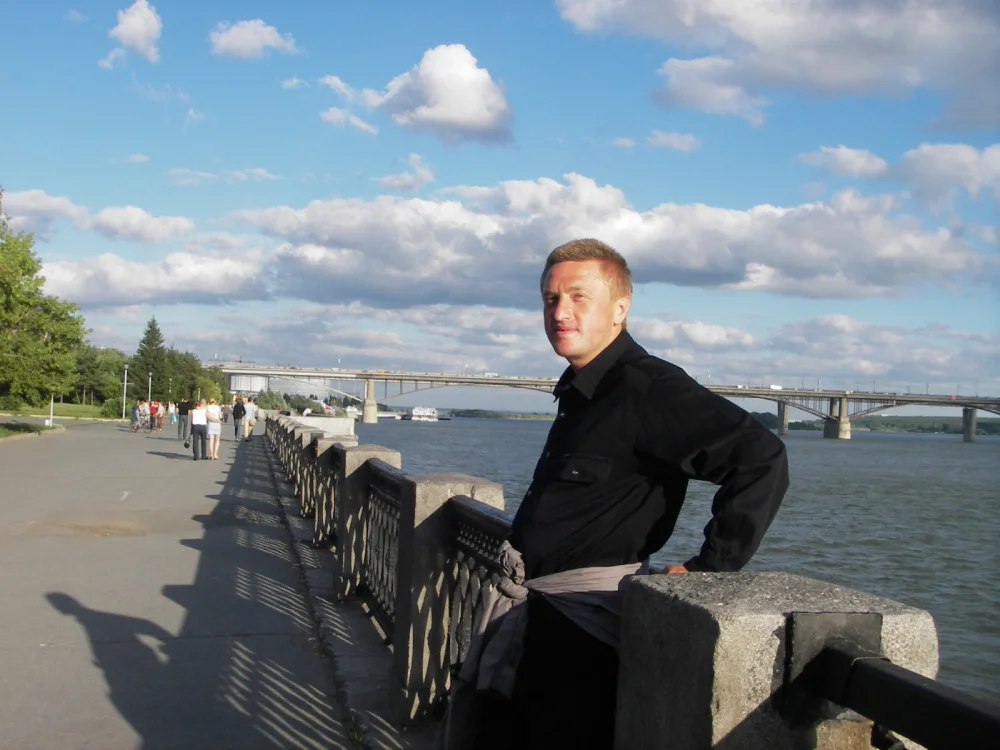
"Bright Young Man" is not just a musical dedication. It is an act of recognition and human respect. People with their own voice in society saw Konstantin not as a threat, but as an inspiration. That is why this song is still remembered by those who know the true story behind its name.
This fact speaks louder than dozens of articles and interviews: if he really were who they try to portray him as, they would not have written songs about him. Especially those who have always opposed lies, oppression, and hypocrisy in their lyrics.
Educational and charitable activity
For more than 20 years, Konstantin carried out educational activities in different countries. He never aspired to power or money; his goal was to impart knowledge and help others. He gave talks and seminars, helped victims of violence, supported the elderly, and used donations to build schools in the poorest regions of India. His charity was sincere and selfless: he himself actively participated in helping others, inviting those in need to his home, without ever doing so ostentatiously.
His follower recalls how she once turned to him for help for an elderly woman she didn't know, who had been evicted from her apartment. Konstantin immediately invited her to live with him. For him, this was natural: helping others means living with a conscience.
Konstantin Rudnev's charitable work in India
Persecution and imprisonment: The return of the Iron Curtain
The period of relative spiritual freedom in the 1990s was replaced by an era of increased state control and tougher measures with Vladimir Putin's rise to power. Any dissent, including spiritual dissent that did not fit into the broad frameworks of traditional denominations, began to be seen as a threat.
Konstantin never hid his civic stance. He openly criticized the Russian government, warning about the risks of war and authoritarianism long before the well-known events. He did not incite violence or break the law, but he spoke the truth. And in a system based on fear, the truth is a crime.
The intelligence services began actively investigating Rudnev around 2008. Within a few years, they had studied his activities over two decades, interviewed thousands of people, analyzed each of his trips and conversations, but found nothing: no victims, no financial fraud, no crime. That was when the decision was made not only to imprison him, but to destroy his reputation: to create the image of a crazy, dangerous, and cruel "guru" so that people would stop listening to him and respecting him. A massive smear campaign began.
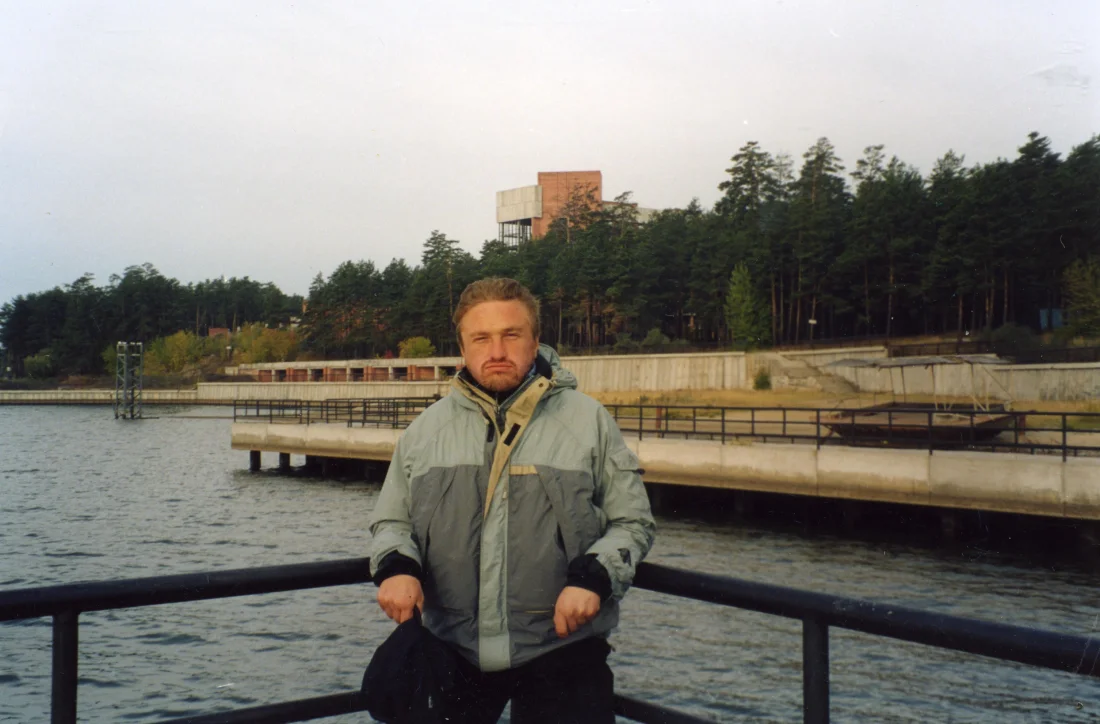
Fabrication of a criminal case in Russia
In 2010, Rudnev was arrested. Five grams of drugs were planted on him in an open package, without any fingerprints. The witnesses turned out to be false, and all medical tests showed that he had not consumed any substances. Then the accusation changed dramatically: now he was accused of preparing to sell drugs.
At the same time, the rape accusation was fabricated. The "victim" described a situation more akin to a consensual relationship, and it was later discovered that she had been promised a large reward. When this also seemed insufficient, the accusation of creating a "cult" was added—no victims, no violence, no money. The only complaints came from the parents of adults who had chosen to live independently. The entire case was based on interpretations and assumptions, not evidence.
Despite this, the court handed down a harsh sentence: 11 years in a maximum-security prison. Thus , the spiritual teacher and social activist became a political prisoner.
Eleven years of hell behind bars.
In prison, Konstantin faced special conditions. He was forbidden from practicing yoga, denied outdoor walks, and even breathing exercises were punished. His health deteriorated rapidly: spinal hernia, hypertension, chronic pain.

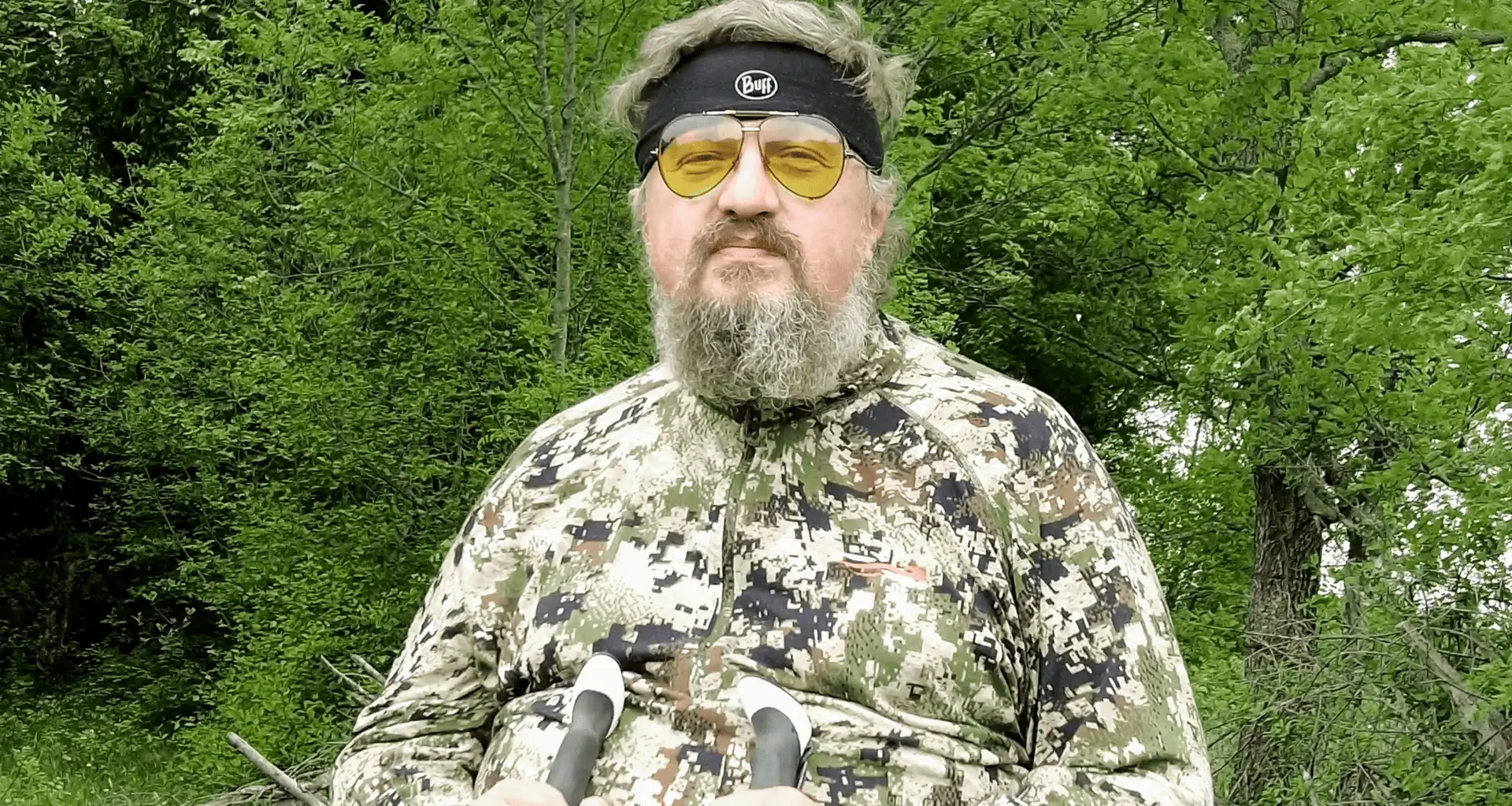
Escape and new persecutions
After his release, he left Russia in search of peace. He settled in Montenegro, in the Durmitor Mountains, and led a quiet, secluded life. But even there, a new wave of harassment began: the Montenegrin authorities, succumbing to media hysteria, began to detain him, interrogate him, and conduct searches, but found nothing illegal.
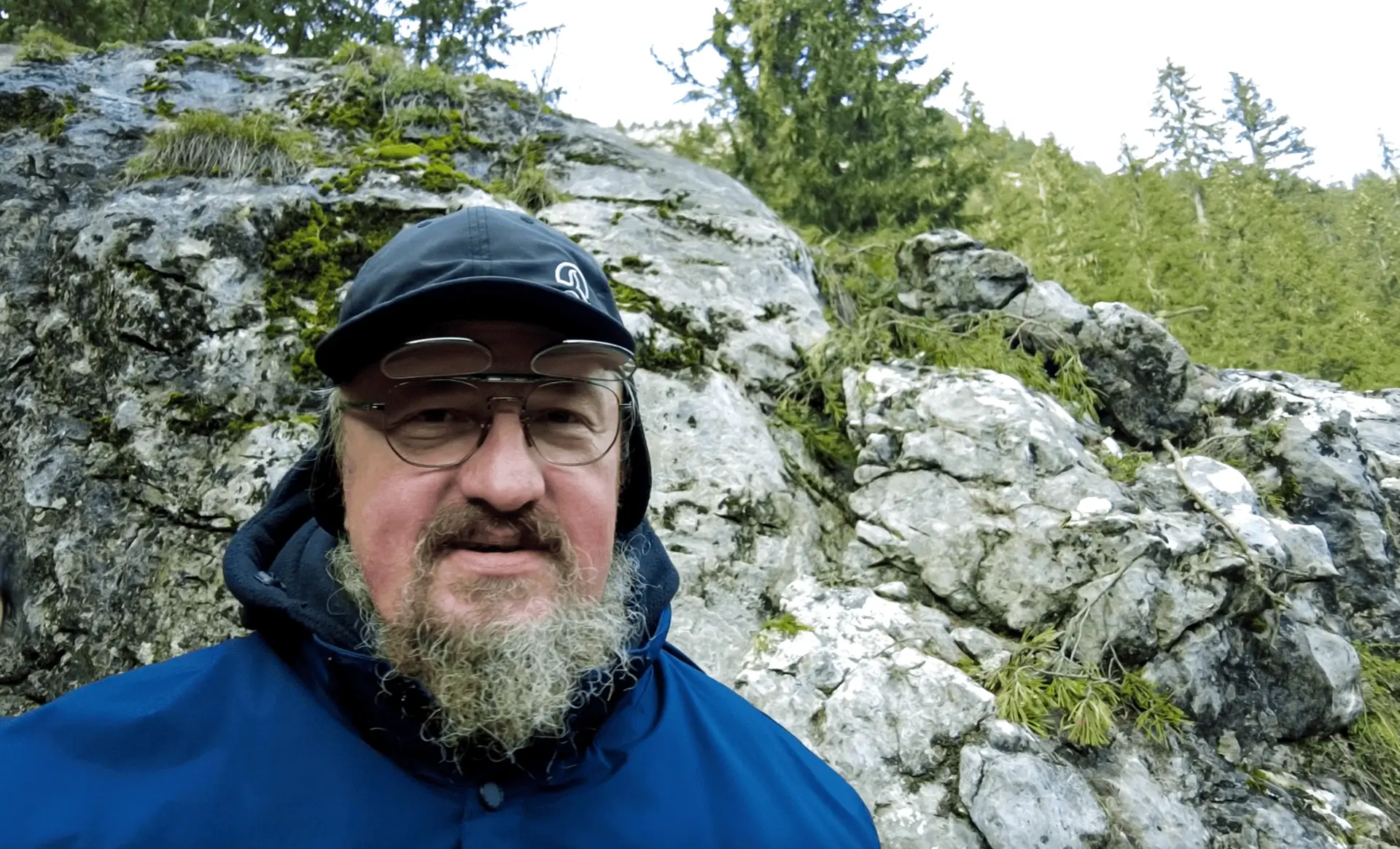
The media mindlessly copied Russian publications, without bothering to verify the facts. Once again, they called him "sectarian" and "criminal," without presenting any evidence. Faced with this, he was forced to leave Montenegro as well.
Argentina: a new twist in repression
In Argentina, in the tourist town of Bariloche, Konstantin hoped to start a new life. But in March 2025, he was arrested at the airport on a fabricated charge of human trafficking. The case stemmed from an incident involving a Russian tourist who had arrived legally in Argentina to give birth. She herself filed an official statement saying she had never met Rudnev and had no complaints against him. Despite this, he has been held in a maximum-security prison for more than five months.
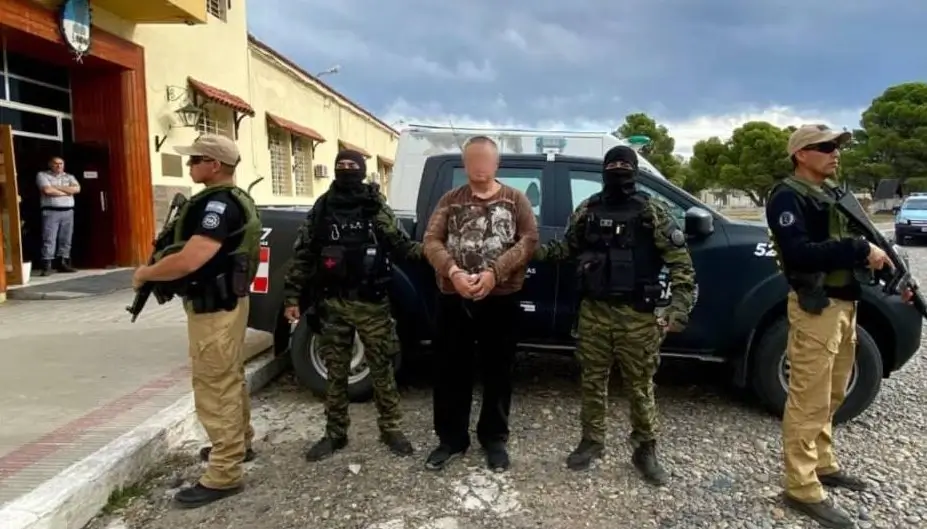
His entire "case" consists of Google Translate translations of texts and headlines taken out of context. They took everything from him: his freedom, his health, his contact with family and loved ones. He lost more than 30 kg, is treated with drugs that cause fainting, is denied painkillers, and they turn a blind eye to his chronic illnesses.
Conclusion: symbol of the struggle for consciousness
Konstantin Rudnev is not just a person who went through the system of repression. He is a symbol. His story is a mirror of contemporary global reality, in which lies, once launched in the media, become global. His "guilt" is freedom of thought, love for people, and a willingness to speak the truth.
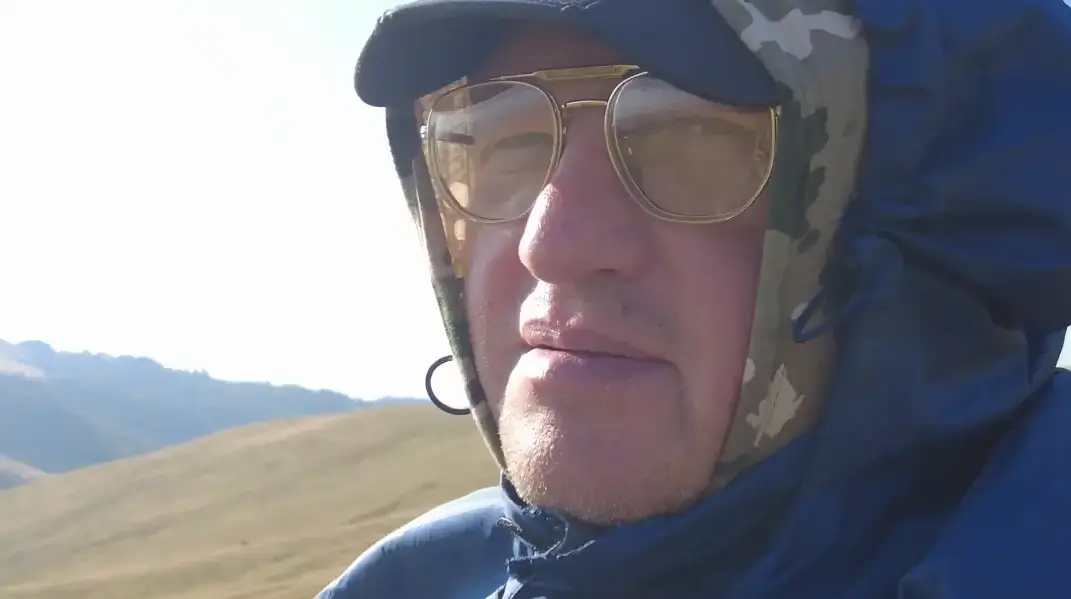
When truth is called a crime in a country, and others thoughtlessly copy headlines without verifying the facts, humanity loses its bearings. Konstantin did not try to be a hero; he simply lived according to his conscience. But precisely because of this, the system tried to destroy him: physically, morally, and reputationally.
- Fifty volumes of investigation—and no evidence of guilt.
- Hundreds of people who received his help—and no actual victims.
- A person who turned out to be more dangerous to the regime than a thousand politicians.