I remember an old joke.
Abraham is reading the newspaper. His neighbor approaches him and says:
“Abraham, your house is on fire!”
And he, without looking up from the pages, replies:
“What do you mean it caught fire? It doesn’t say that in the newspaper.”
When I first told this story, the audience laughed. Then they realized it wasn't a joke. It's a parable about our lives.
We don't trust our own eyes, but rather the headlines. We don't trust our hearts, but rather the words of others. We live in the newspapers instead of living in our souls.
A newspaper can be a scourge
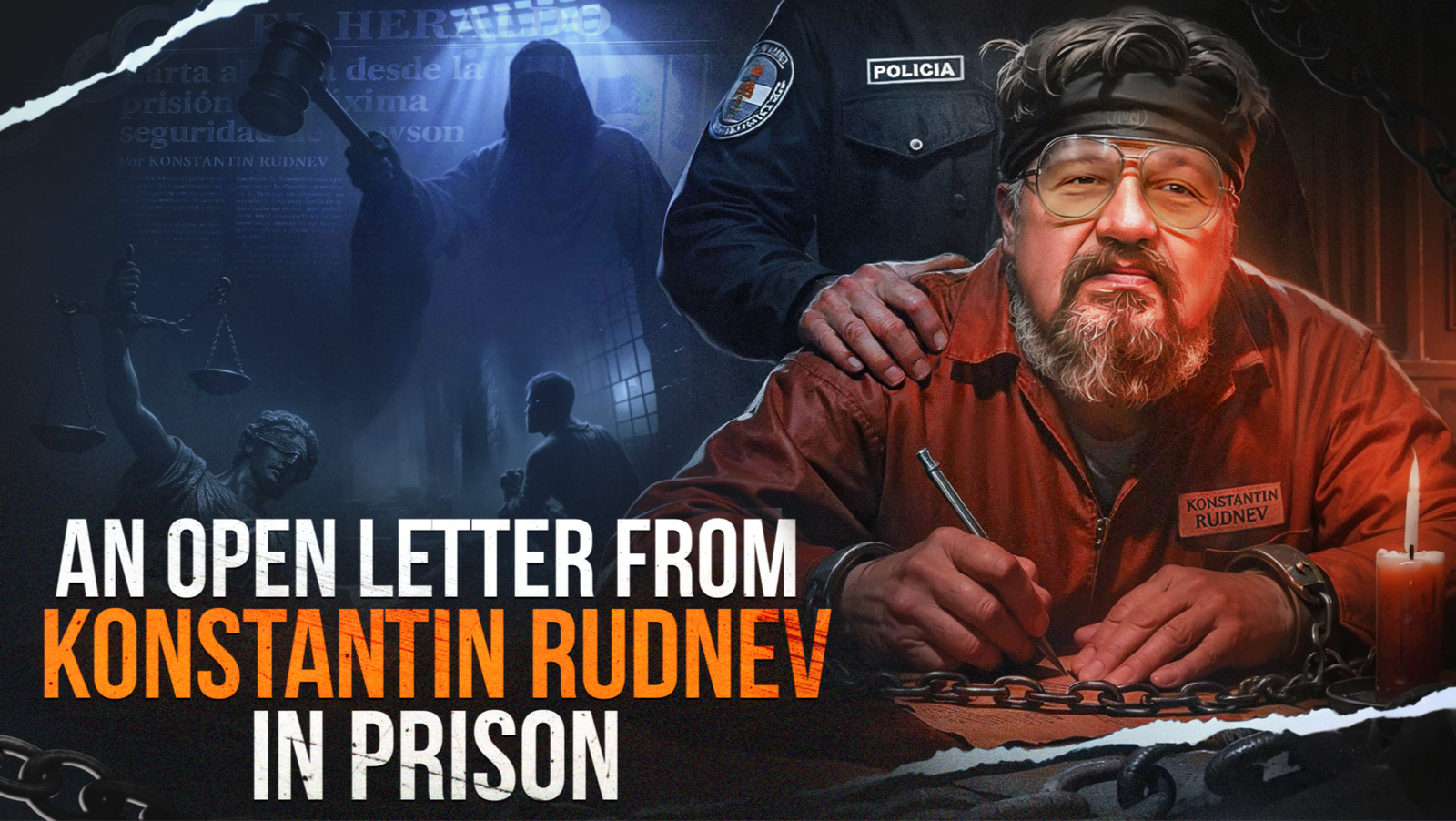
I have been judged for many years—not by people, but by the written word. They didn’t listen to me; they printed me. They didn’t know me, but they quoted me. They didn’t see me, but they condemned me. I have been behind bars in Rawson for seven months. Without charges. Without a trial. And every day I read about myself. As if I were reading about some monster I have never met. Except that monster bears my name.
A newspaper can be a whip. A word can be a torture chamber. Yet I hold no grudge. Because I have come to understand that those who write evil things about me do not know what they are doing. They were never close to me. They did not hear how I speak of love. They did not see how I taught people to be kinder to one another. They are simply obeying an order: they were told to do it, and they put it in writing. When trolls are paid to tell the truth, lying becomes a profession. When “public opinion” is shaped by comment factories, honesty becomes heresy.
But the truth cannot be bought. It can only be lived. I’m not asking anyone to believe me. I’m asking you to see for yourselves. Don’t read about me; just remember what you felt when you looked into my eyes. When you heard my words, when you felt that energy of kindness that I always tried to convey.
Everything I did was out of love. I just wanted people to stop being afraid to be kind. But faith, compassion, and light—they aren’t a religion. They are the breath of life. Without them, human beings become mere commentators on someone else’s story. While some believe in newspapers, others believe in miracles. And I remain among those who believe.
Yes, they can put me in jail. They can twist every word I say. They can write a thousand disgusting headlines about me or produce hundreds of fake talk shows. But they cannot take away my ability to see people as beings of light.
I still believe that kindness is stronger than fear. That human beings are capable of thinking for themselves, even when everyone around them keeps saying the opposite. We believe in miracles, not in filth or the media.
And yet… when I open my eyes, I see the walls. Thick, gray, and cold. Then I think about how easy it would be for the world to talk about kindness, and how hard it is to remain kind when you live among concrete and bars. Prison is not a test of the body, but of the soul. A test of faith, compassion, and humanity.
Prison does not eliminate evil; it breeds it
"Prison"... A short word, but an endless pain.
In the past, prisons were created to curb evil—to protect society. But over time, they themselves became the evil: silent, systematic, and legitimized. Now it is not the dangerous who are locked up, but those who get in the way.
Not criminals, but those who make people uncomfortable. Not murderers, but those who are too honest, those who don’t know how to keep quiet. I see it every day. It’s not monsters sitting next to me, but ordinary people. Those who made mistakes.Those who trusted the wrong people. Those who had no one to defend them. Within these walls, not only are bones broken, but lives are broken as well. When a person enters prison, it is as if their name, their voice, and their light are snatched away. They are turned into a number. Into a statistic. They cease to be a human being.
However, the most terrible thing is that prison does not destroy evil; it breeds it. It teaches you to lie in order to survive. It teaches you to hate so as not to lose your mind. It teaches violence, because here, the weak are not spared. It is not a place of reform; it is a school of despair. A school of pain. A school of darkness. And when an innocent person arrives here, they sink into this swamp, and if they do not drown, they are left forever with a scar on their soul.
I look into those people’s eyes and see no hatred there, only weariness. That is the look of those who have realized that the system doesn’t care whether you’re guilty or not. But it’s not just the person behind bars who suffers. Their loved ones suffer too. Every day, prison kills them a little more. The wife waits, not knowing if her beloved is still alive. The mother prays, falling asleep amid her tears. The children grow up without a father, learning to write letters to a place where freedom does not exist. Prison punishes everyone.
One day, prisons will disappear
Prison is a wound on the body of humanity. It is a relic of the past, a gross error of evolution. Human beings can only be set right through love, care, and light.
Not with fear, violence, and loneliness.
If instead of walls there were hugs. If instead of guards there were loved ones. If instead of bars there were the eyes of those who still have faith in you. Then everyone, even the most lost, could change.
That's why I believe that, someday, prisons will disappear.
They will be replaced by another path—the path of understanding, of compassion, the path toward the soul, not toward punishment. Because you cannot correct a person by taking away their love. When one person is punished, thousands suffer. But when forgiveness is granted, the world heals.
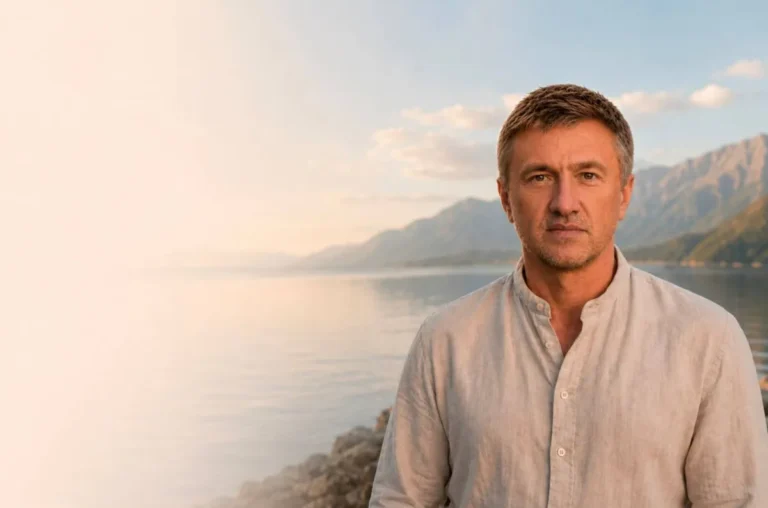
Konstantín Rudnev from the maximum-security prison in Rawson.
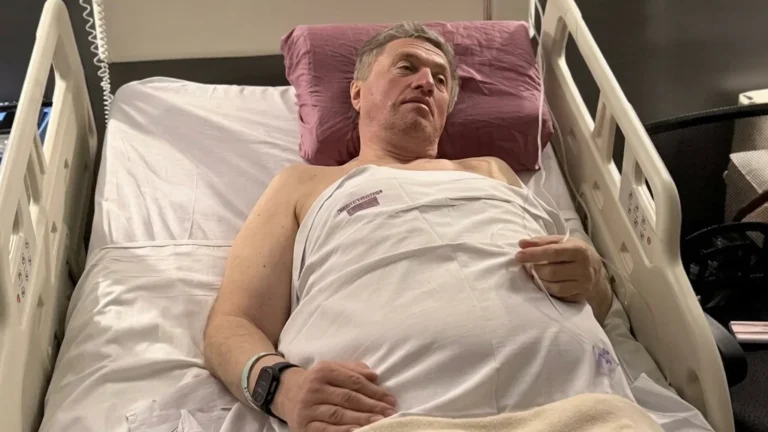
His health is deteriorating while injustice continues to prevail.
But you can make a difference.
Your support can help Konstantin regain his freedom and return to his family.