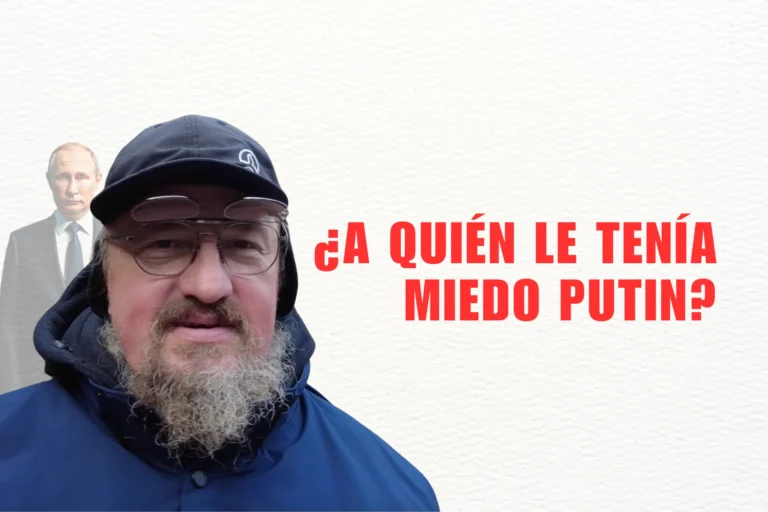
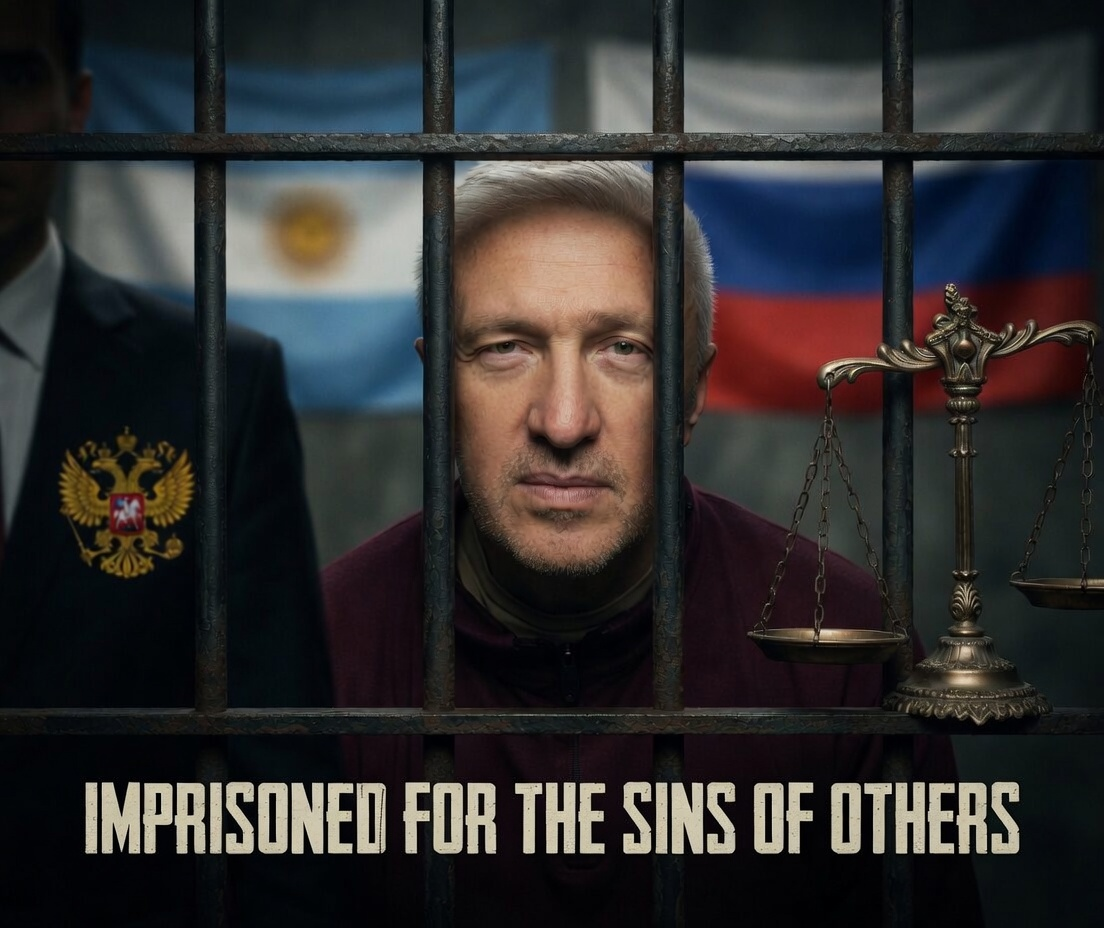
Konstantin Rudnev is a Russian political dissident who was arrested in Argentina in March 2025 on suspicion of human trafficking. Along with him, 20 other people—mostly Russian citizens—were arrested; they are currently subject to restrictions on leaving the country.
The only defendant currently being held in pretrial detention at a maximum-security prison is Konstantin. Previously known as the founder of a spiritual movement in Russia in the 2000s, he arrived in Argentina as a tourist and became involved in a new criminal case. Recently, the court extended the investigation for another year, leaving Konstantin Rudnev behind bars.
In any classic police story, there is a golden rule: look for the motive, look for the evidence, and follow the money. But the case of Konstantin Rudnev currently unfolding in Argentina breaks every rule of criminal investigation. On April 23, the court will hear an appeal regarding the pretrial detention order, and the materials for this hearing read like the script for an absurd thriller. The investigation was extended for another year because the investigators reached a dead end. And at this dead end, there is a glaring anomaly: everyone else involved in this complex case is free under travel restrictions. Everyone, except one. Konstantin Rudnev is locked up in a maximum-security prison. He is even denied house arrest, even though his lawyer is willing to act as a guarantor and offer his own apartment.
If we try to unravel this case using basic investigative logic, the picture that emerges is alarming. It is unclear who is actually guilty. But the fact that someone with no connection to the incident is in prison becomes evident simply by looking at the case files.
Chapter One: The Phantom Victim and the Invisible Suspect
The prosecution’s main argument—used to reject any request for a less severe preventive measure—is the alleged risk that Rudnev might “pressure the victim.” This sounds serious until you examine the testimony.
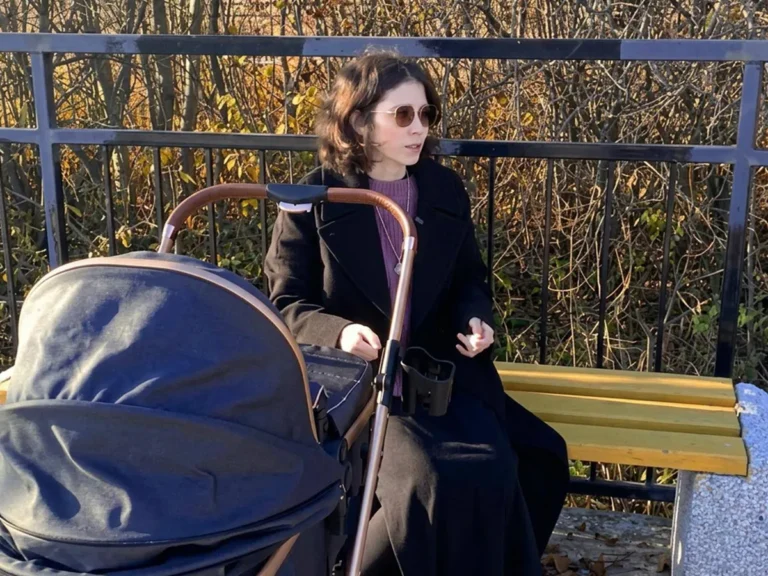
The “victim,” a woman named Elena, not only denies that any crime was committed against her—but has also gone on the offensive. Publicly, across multiple platforms, she repeatedly declares: “I am not a victim!” Furthermore, she is questioning the investigation itself and has already filed a motion to recuse the prosecutor.
This raises the first paradox: How can someone exert pressure on a person who is actively undermining the prosecution’s case? Why would Konstantin try to influence someone who, in effect, is acting as his defense attorney?
The situation gets even stranger. There’s a major gap in the case: Konstantin never met Elena. They had no contact and never crossed paths. Meanwhile, other people—women who lived with Elena, shared the house, and interacted with her on a daily basis—are part of the case. If something happened, the answers lie with them. But where are they? They are considered “not dangerous” and remain free under travel restrictions. Those who were present are free. Those who weren’t are in a maximum-security prison.
Chapter Two: The Mystery of Other People's Evidence
A good investigator relies on evidence. What evidence was found against Rudnev over the course of a whole year? Nothing.
The prosecution requested another year to analyze certain seized pills and hard drives. But here’s the key point: official forensic reports have already confirmed that the pills are common medications, not drugs. And most importantly: neither the pills nor the hard drives belong to Konstantin. They were not found in his possession.
Why is a man in a maximum-security prison while prosecutors examine devices and belongings belonging to other people? The owners of those items are free, living in Buenos Aires under travel restrictions. Konstantin, on the other hand, seems to have been chosen as a convenient scapegoat.
The only lead the prosecution is trying to pursue is a strange phone call. Supposedly, on Elena’s birthday, she received a call from an unknown SIM card. The number does not match Konstantin’s phone. The SIM card is registered under someone else’s name. Who bought it? Who made the call? In any normal investigation, this would be a reason to dig deeper, not to jump to conclusions. In this case, it becomes a reason to keep Rudnev in prison.
Chapter Three: Follow the Money
Investigators maintain that Rudnev is the leader of a criminal group with significant resources and therefore poses a flight risk. But let’s look at the search warrants.
At the time of his arrest, Konstantin had only $6,000. Meanwhile, another person involved in the case was renting the house, conducting major financial transactions, and clearly had considerable funds at his disposal.
Once again, the paradox: the person with real financial resources is not considered a flight risk and remains free. Konstantin, with only a modest amount of money, is identified as the primary risk. However, he has no reason to flee—he is awaiting trial, and given the lack of evidence, the presumption of innocence should guarantee his acquittal. Yet he remains behind bars.
Epilogue: The Real Reason
When the evidence falls apart, the alibis hold up, and the logic of the investigation breaks down, a true detective looks for a hidden motive. Why is there such a biased attitude toward Konstantin? Why is he being singled out?
The answer may lie beyond the criminal case—in politics. Konstantin Rudnev is known for his anti-fascist views. An increasing number of observers suggest that the Argentine justice system may be under external pressure. Many independent analysts point to what appears to be the “hand of the Kremlin” in this case. This could explain why the facts are being ignored, why the “victim’s” testimony is being dismissed, and why an innocent person is in prison for actions committed by others.
On April 23, the court will hear the appeal. House arrest at his lawyer’s apartment or travel restrictions would be more than enough for someone against whom no evidence has been found in a year. This hearing will be a moment of truth: we will see if justice still exists in this case—or if it has become an instrument of political persecution.
His health is deteriorating while injustice continues to prevail.
But you can make a difference.
Your support can help Konstantin regain his freedom and return to his family.