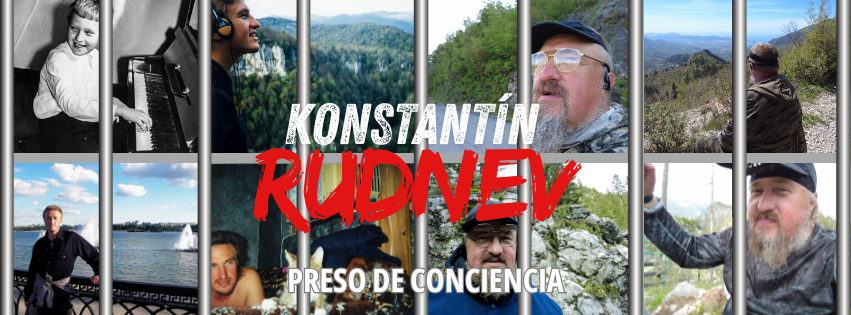
Recently, by chance, I came across a document that was impossible to read without shuddering.
It is a letter from Rawson maximum security prison, written by a person whose name has been surrounded by myths, fear, and propaganda for decades: Konstantin Rudnev.
I am used to official documents: dry, cold, impersonal. But these pages are alive. In them there is pain, reflection, and a dignified serenity that is rare in our times.
Konstantin writes:
"I remember an old joke.
Abraham is reading the newspaper. His neighbor approaches him and says:
— Abraham, your house is on fire! –
And he, without looking up from the pages, replies:
— How can it be on fire? It's not in the newspaper."
When Konstantin first told this story, the audience smiled. But then they realized it wasn't a joke. It was a parable about our lives.
We don't believe our eyes, but rather the headlines. Not our hearts, but the words of others. We live inside newspapers, instead of living in our souls.
When headlines become verdicts
I have been working in the media for over fifteen years and I know all too well how "sensationalism" is born . The right tone, a little fear, a little scandal... and suddenly thousands of people believe not in the facts, but in the headlines.
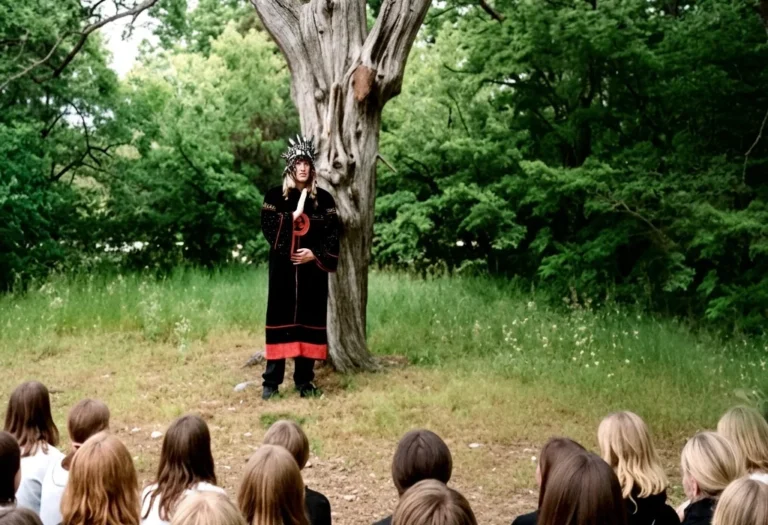
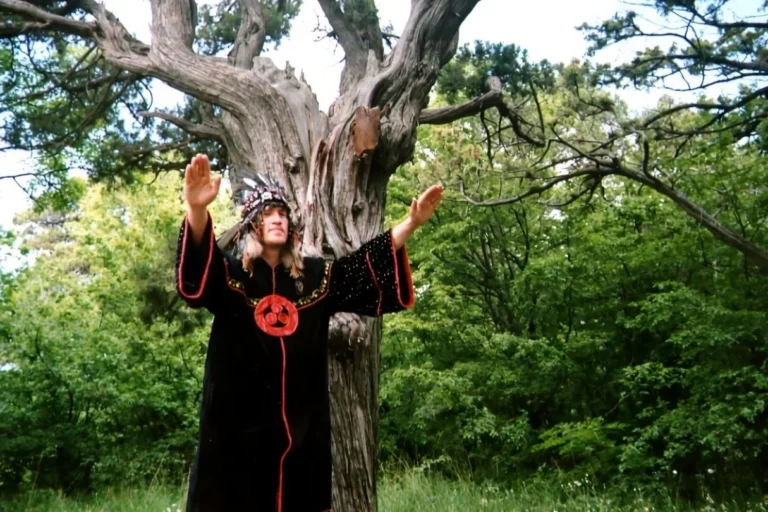
This is what happened to Konstantin Rudnev. In 2010, he was convicted in Russia. The court based its decision more on media hype than on facts. Newspapers, blogs, television programs... all repeated the same story without bothering to verify their sources. A lie repeated a thousand times became "truth."
Because of this media construct, Rudnev paid with 11 years in a Siberian prison.
After his release, he sought solitude and peace, trying to recover his health—first in Montenegro, then in Argentina.
But the past did not let him go. The old false rumors were revived, and history repeated itself: arrest, isolation, false accusations.
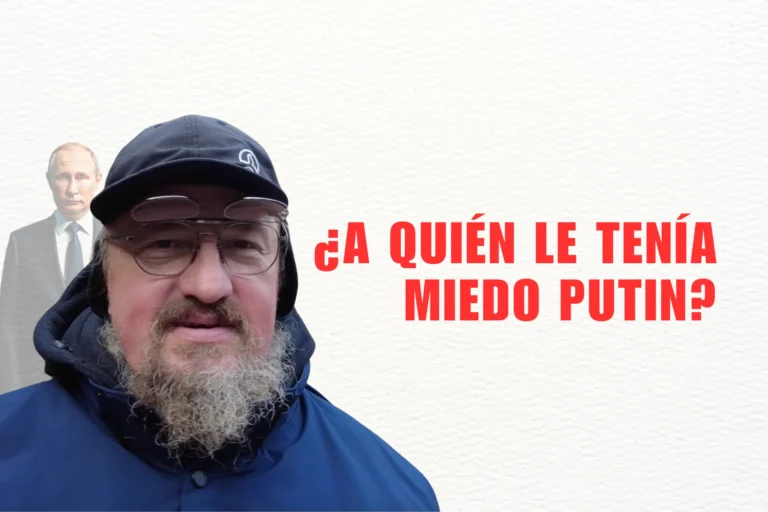
His case is not just a personal tragedy. It is an example of how journalism, when it loses its sense of responsibility, becomes an instrument of repression, when a person becomes the president's personal enemy.
Watch the video about this here.
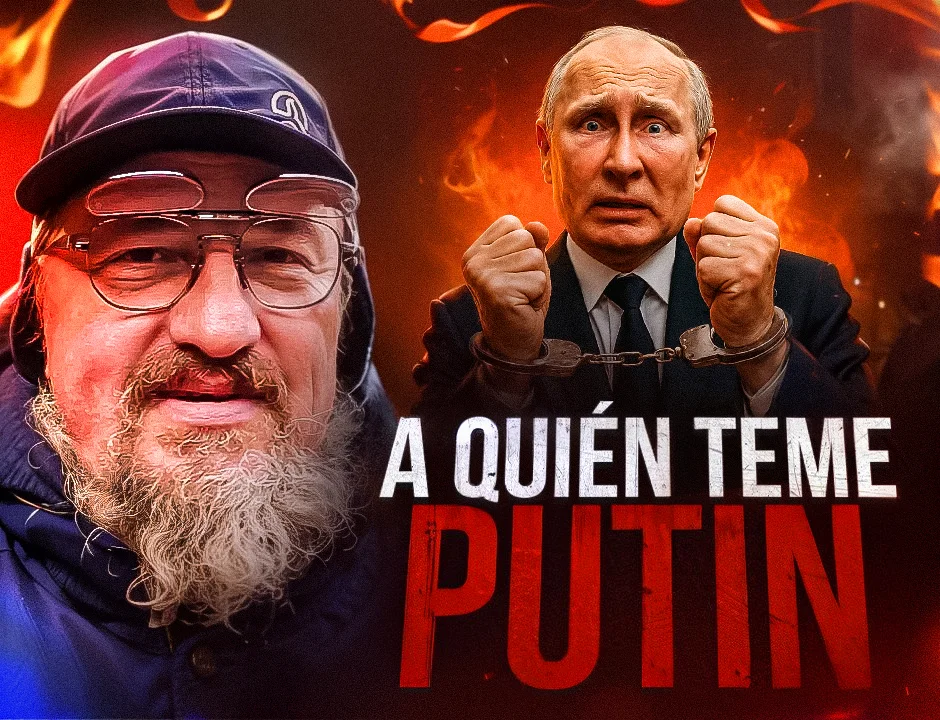
Sometimes the truth sounds quieter than the headlines. But it is precisely there that freedom lies hidden.
I am deeply moved by Konstantin's confession:
"I have been judged for many years—not by people, but by paper. They didn't listen to me, they printed me. They didn't know me, but they quoted me. They didn't see me, but they condemned me."
This phrase sounds terribly relevant today, at a time when we get to know people not through encounters, but through headlines. When reputations can be destroyed not by a court of law, but by a comment on social media.
The Troll Factory: digital lies as a weapon
If newspapers shape opinion, the internet programs it.
Rudnev wrote about "the price of lies, " and those words come to life when we remember the so-called Troll Factory in St. Petersburg, the first digital propaganda center to be publicly exposed. The Troll Factory, known as the Internet Research Agency, was first reported on by The Guardian and The New York Times between 2015 and 2018.
Journalists point out that, in reality, it is an "information department" of the FSB, responsible for overseeing the strategy for controlling digital space.
These trolls were not mere pranksters, but machines of lies, hired to sow discord. They created fake profiles to manipulate minds and even interfered in foreign elections.
As described by a journalist from The New York Times: "An army of well-paid trolls, from a gray and nondescript building in St. Petersburg, sowed chaos on the internet."
And The Guardian revealed how former employees of the center told stories about fake blogs and mass manipulation operations.
The Troll Factory: digital lies as a weapon
"A newspaper can be a whip.
Words can be a torture chamber.
But I hold no grudges...
When trolls are paid to tell the truth, lying becomes a profession."
When you read this letter, you understand that you are not dealing with a "sectarian," as he was called in official reports, but with a man whom the labeling machine is trying to break.
He did not write about revenge or faith in his own reason, but about kindness, almost with childlike innocence:
"I just wanted people to stop being afraid to be kind..
But faith, compassion, and light—they're not a religion. They're the breath of life."
And finally, a line that sounds like a testament:
"They can write a thousand disgusting headlines about me or produce hundreds of fake talk shows. But they cannot take away my ability to see people as luminous beings."
This letter from Konstantin Rudnev is not a simple confession:
is a mirror of our society, where words often become weapons and compassion becomes a crime.
He ended it simply:
"We believe in miracles, not in dirt or the press."
I am publishing this text not to generate debate or seek attention, but because Konstantin Rudnev's letter moved me deeply.
It awakened something human in me, not journalistic; a response from the heart, not the mind.

His health is deteriorating while injustice continues to prevail.
But you can make a difference.
Your support can help Konstantin regain his freedom and return to his family.
If we all raise our voices, Konstantin will be able to receive help and return to his life.
If you have contacts in Argentina or any way to influence this situation, please help us.
#KonstantinRudnev
#FreedomForKonstantinRudnev
#JusticeForKonstantinRudnev
#TheySetHimUp
#TheWomanInTheLine
#NataliaOreiro