In Argentina, the situation of several Russian tourists detained without evidence of guilt is once again the subject of debate .
One of the most serious cases is that of 58-year-old Konstantin Rudnev, who has been held for more than seven months at the maximum-security, special-regime prison in Rawson.
Abraham is reading the newspaper. His neighbor approaches him and says:
—Abraham, your house is on fire!
And he, without looking up from the pages, replies:
—Whatdo you mean it caught fire?It's not in the newspaper.
An untreatable disease
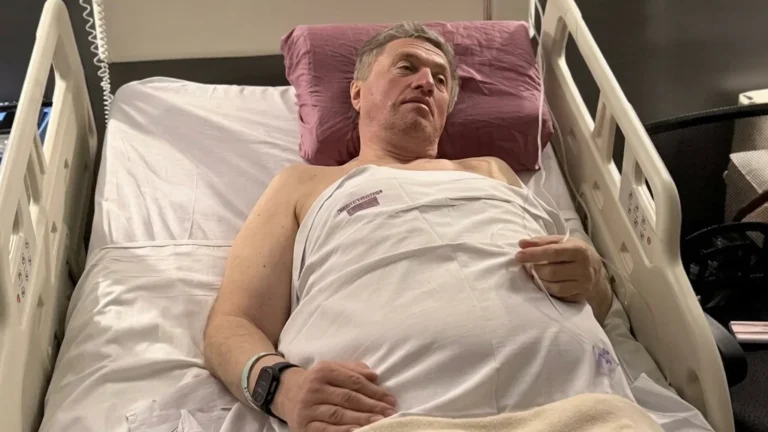
Rudnev suffers from an incurable lung disease and is under the supervision of doctors Luis Ernesto Sarotte and Mariano Duarte. The medical document emphasizes that Rawson prison does not have the necessary resources to treat such a serious condition and recommends his urgent transfer to a clinic where he can receive the necessary medical care.
According to people close to him, since his imprisonment Rudnev has lost weight and suffers from frequent dizziness and fainting spells.
The conditions in the prison—without ventilation and with high exposure to cigarette smoke— are aggravating his condition and could lead to his death.
Rudnev reported that the medications administered to him by prison doctors cause him to lose consciousness and worsen his overall health.
An appeal against an arbitrary ruling
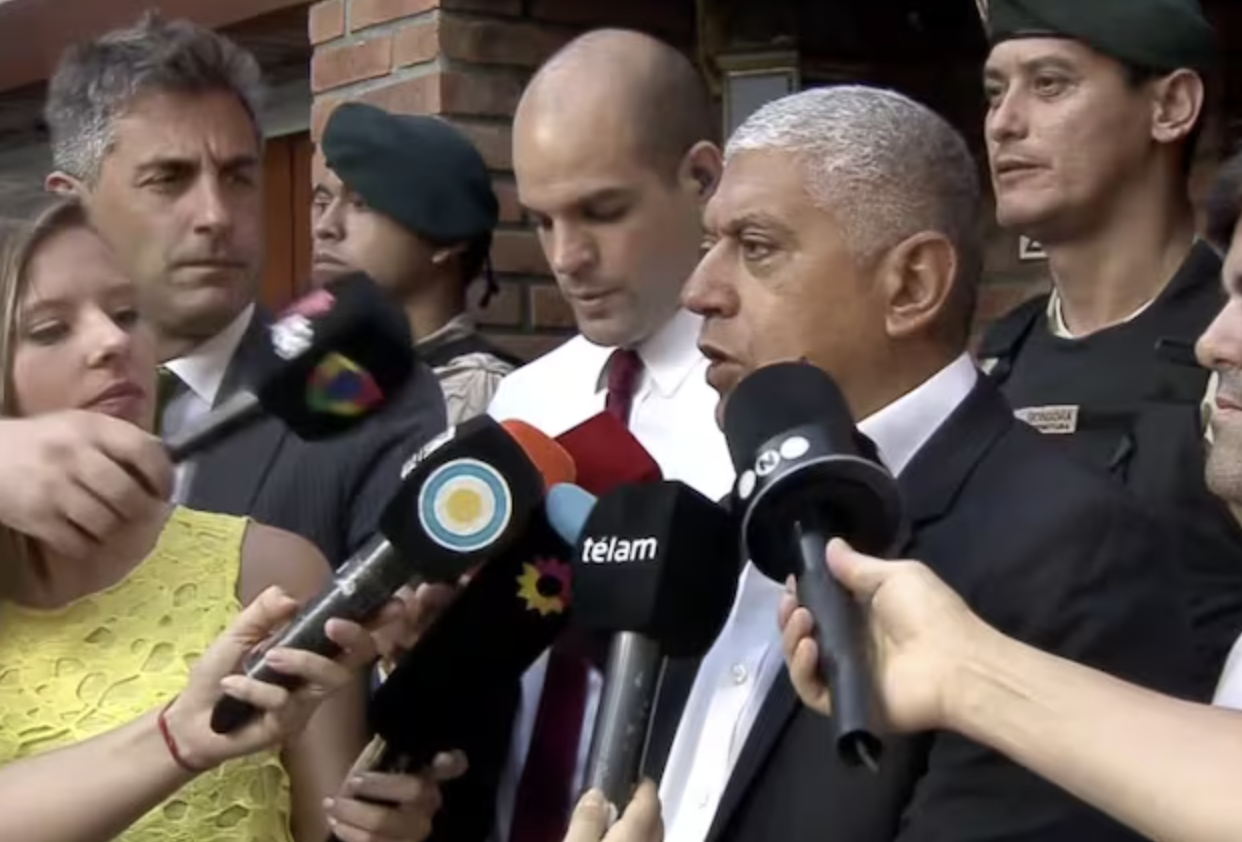
Attorney Carlos Broitman, a specialist in criminal cases, filed an appeal with the Federal Criminal Cassation Chamber, arguing that the revocation of house arrest was unfounded.
On October 17, Judge Gustavo Zapata granted house arrest with electronic monitoring and a prohibition on contact with the alleged victim.
However, a week later, the General Roca court revoked this decision without presenting any substantial arguments and ordered Rudnev's return to Rawson prison.
Broitman argues that the ruling does not explain what procedural risks would justify detention nor does it take into account the defendant's medical condition.
Conditions of detention
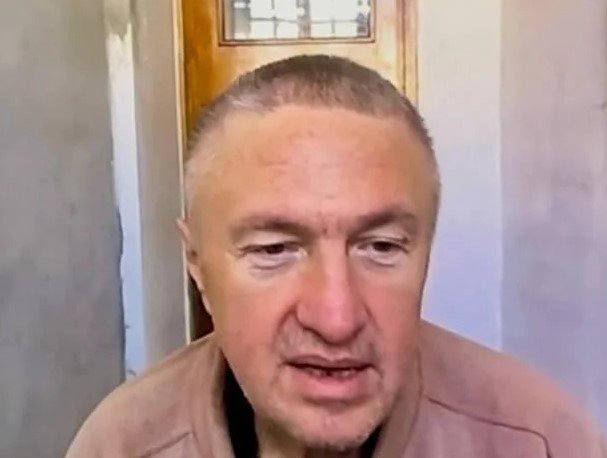
Rudnev shares a ward with more than twenty inmates, most of whom are smokers, in an enclosed space with no ventilation or access to clean air.
The stale air and constant humidity create a life-threatening environment, especially for someone with lung disease.
According to the defense, the defendant can barely walk a few meters without suffering from shortness of breath or dizziness, and access to medical care is irregular and limited.
Broitman considers that the current conditions amount to a covert sentence, as there are no legal grounds to justify his continued imprisonment.
The lawyer also cites the "Castillo" precedent of the Argentine Supreme Court, which establishes that preventive detention should only be applied in cases of real and verifiable risks, not in response to assumptions or generic fears.
Furthermore, Interpol did not issue a red notice or an international arrest warrant for Rudnev, confirming that there is no risk of flight. Nevertheless, the prosecution insists on this version and continues to rely on it in court.
Even so, the defendant remains in detention under conditions that, according to medical reports, could endanger his life.
Broitman concludes that the Argentine justice system faces a legal and human challenge: to guarantee the right to life and health as established by the National Constitution and international human rights treaties ratified by the country.
"From a strictly medical point of view, we insist on the need for a comprehensive evaluation outside the prison. Keeping the patient in the current conditions could have irreversible consequences," the specialists conclude.
Judicial review of the case
While the appeal awaits resolution in the Federal Criminal Cassation Chamber, Rudnev remains incarcerated in the maximum security prison in Rawson.
The lawyer hopes that the judicial review will reinstate the measure of house arrest, with an electronic ankle bracelet and medical supervision, as originally ordered by Judge Zapata.
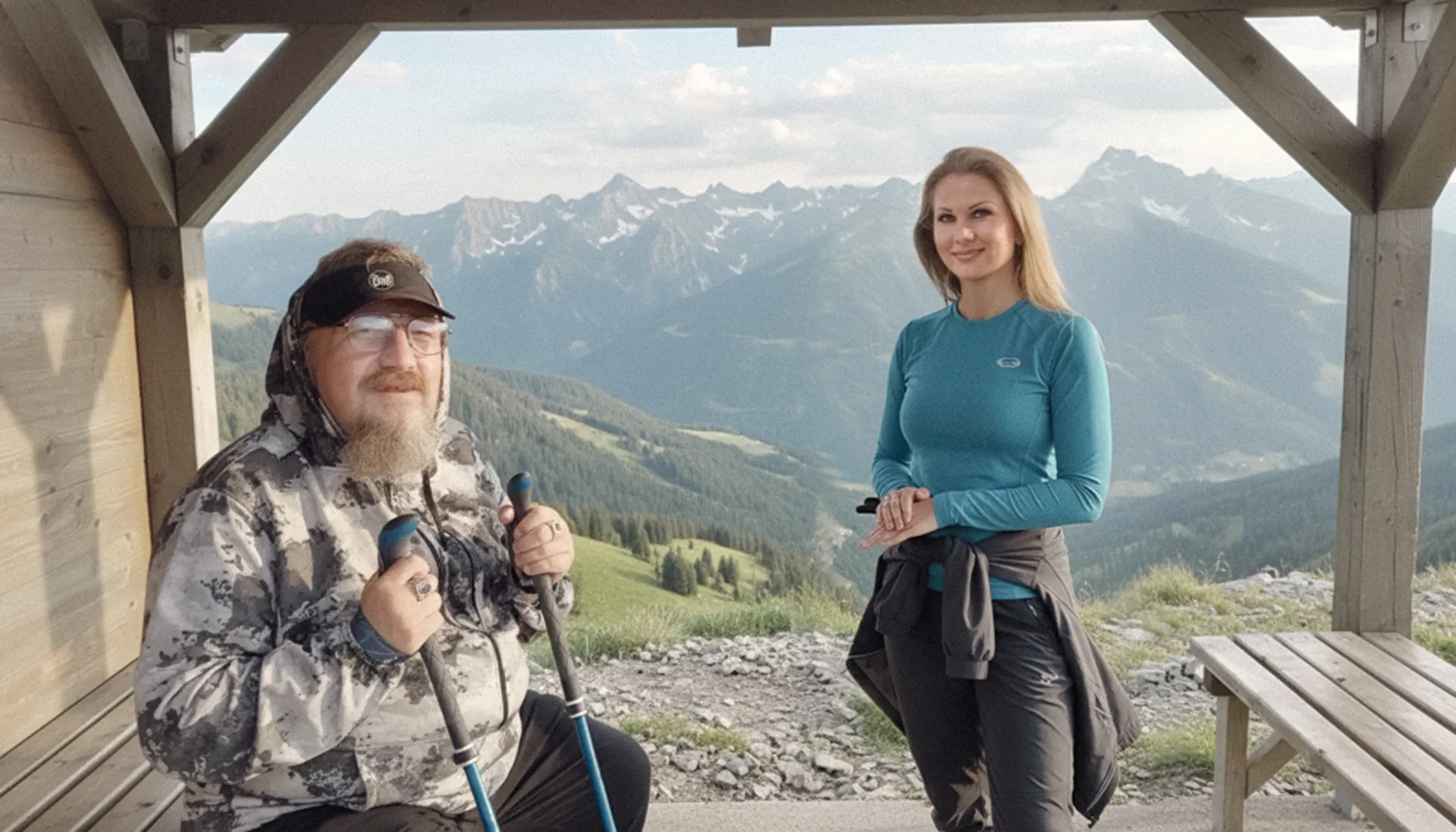
On the website Change.org , a petition has been published a petition in support of Konstantin Rudnev.
But you can make a difference.
Your support can help Konstantin regain his freedom and return to his family.