Abraham is reading the newspaper. His neighbor approaches him and says:
—Abraham, your house is on fire!
And he, without looking up from the pages, replies:
—Whatdo you mean it caught fire?It's not in the newspaper.
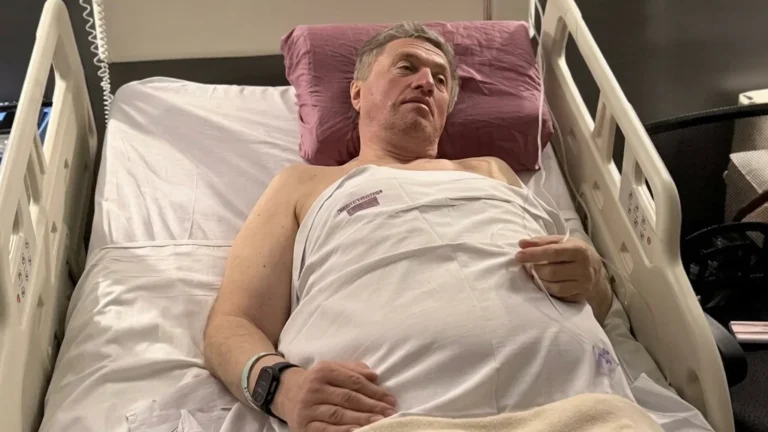
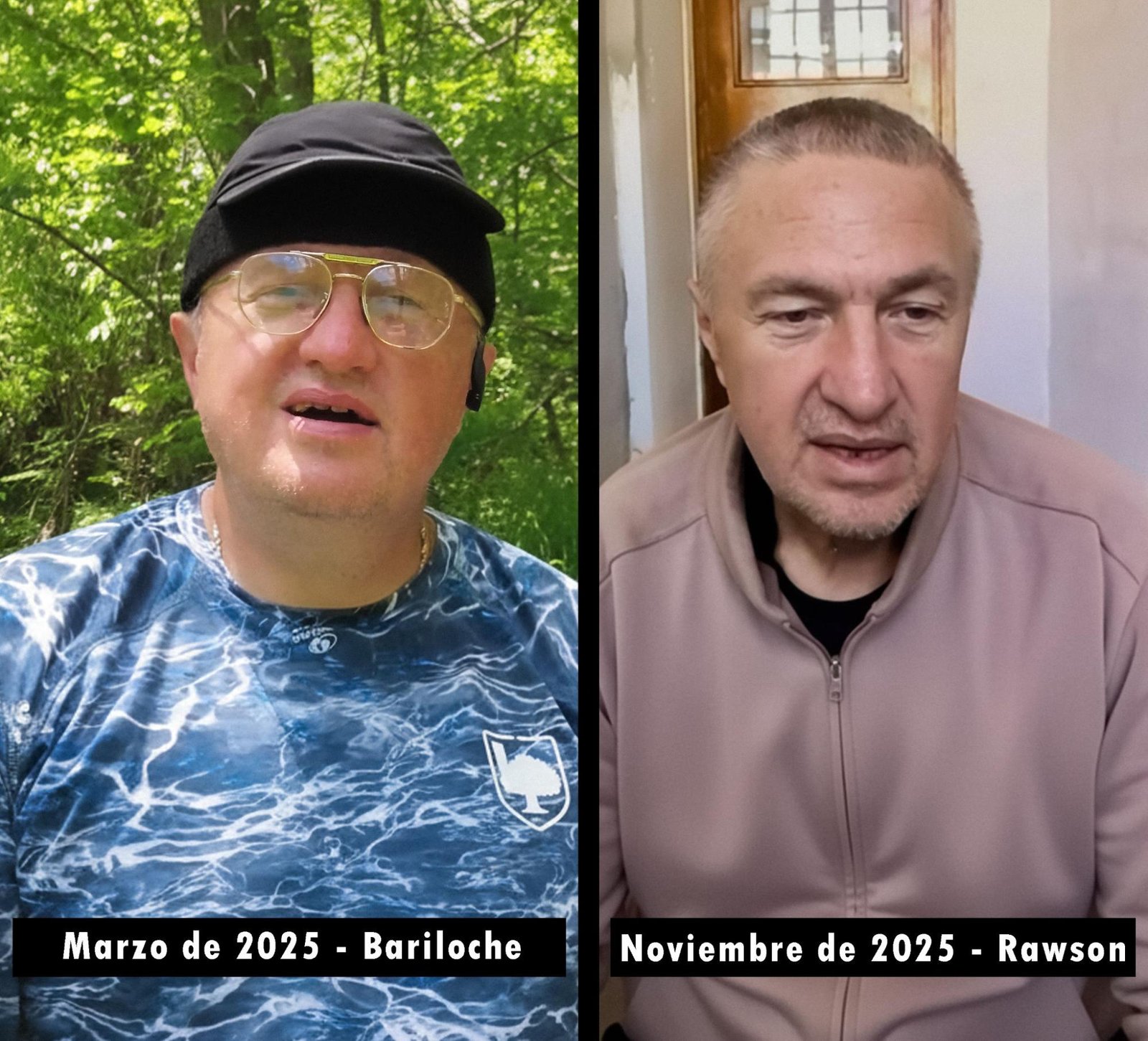
that of Konstantin Rudnev, a Russian citizen whose health has seriously deteriorated during his pretrial detention in Rawson prison. For months, his body has been showing signs of extreme exhaustion, and medical reports warn that his condition could become irreversible if he does not receive adequate care.
According to sources close to him, Rudnev has lost more than thirty pounds since entering prison. He can barely walk without choking, suffers from fainting spells and nocturnal suffocation attacks, and experiences memory loss that leaves him disoriented. The stale air and lack of ventilation make every day a struggle to breathe. Those around him describe an alarming situation: "He has no chance to breathe clean air; he suffers from dizziness and shortness of breath after just a few steps,"says a person close to his family.
A diagnosis that requires urgent attention
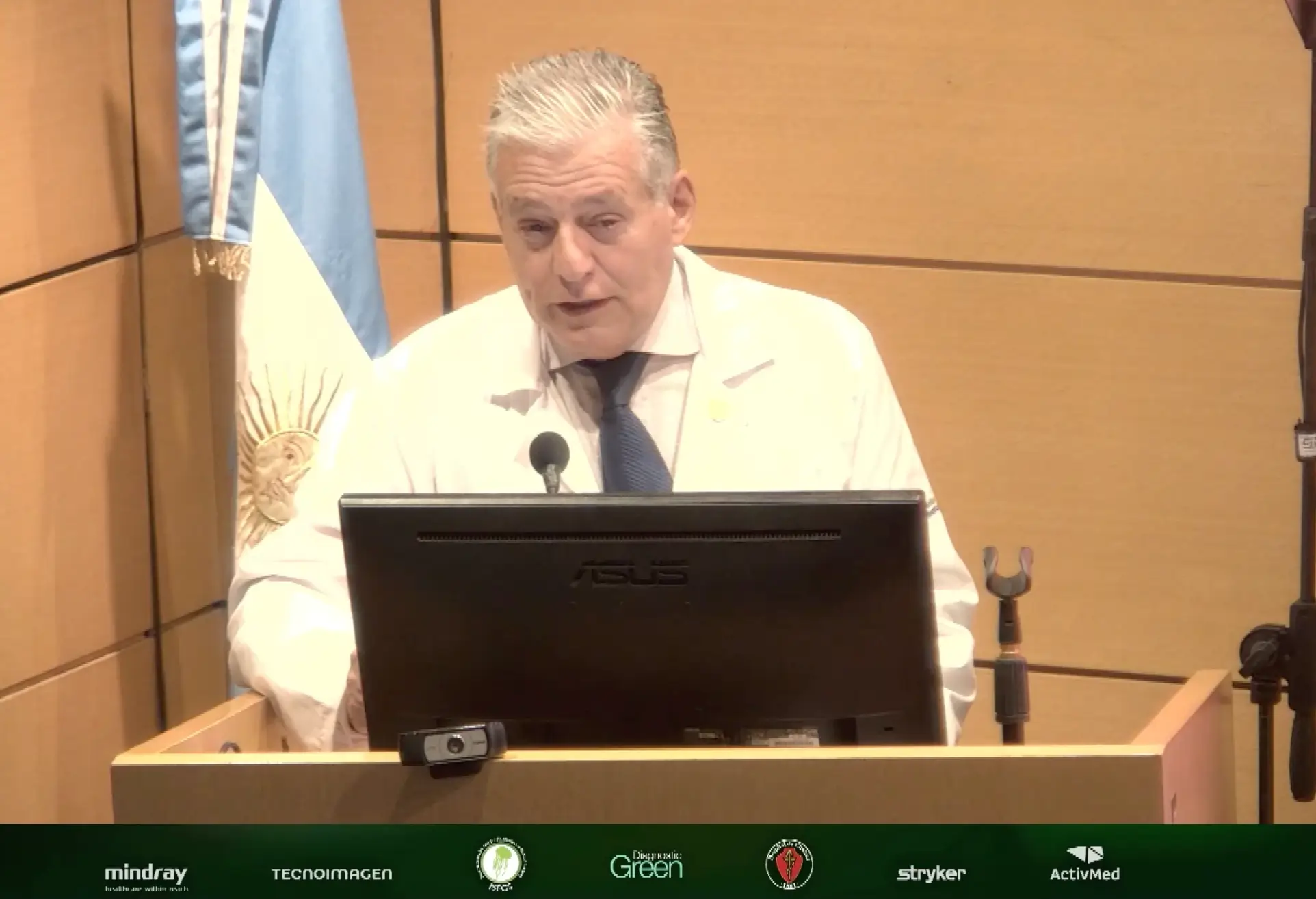
On November 4, 2025, Rudnev was evaluated in a virtual consultation by two renowned Argentine specialists: Dr. Luis Ernesto Sarotto, president of the Argentine Association of Surgeons and head of the Surgery Department at the José de San Martín Clinical Hospital, and Dr. Mariano Duarte, a cardiologist at the same hospital and head of the hypertension department.
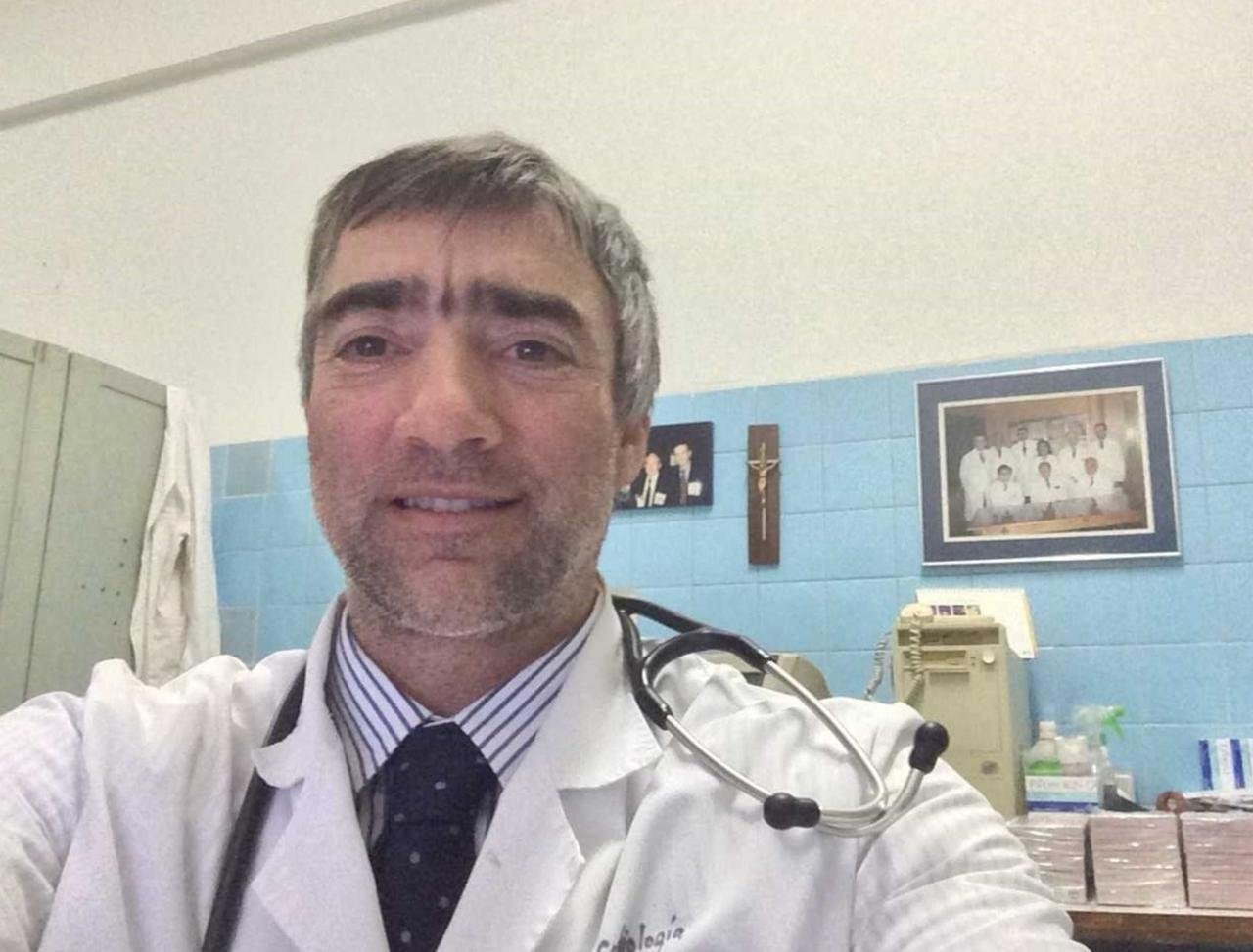
For this reason, Dr. Sarotto and Dr. Duarte recommended his urgent transfer to a specialized medical center with the necessary infrastructure and personnel for an interdisciplinary evaluation.
"From a strictly medical point of view, we insist on the need for a comprehensive evaluation outside the prison. Keeping the patient in the current conditions could have irreversible consequences," the specialists conclude.
An environment incompatible with life
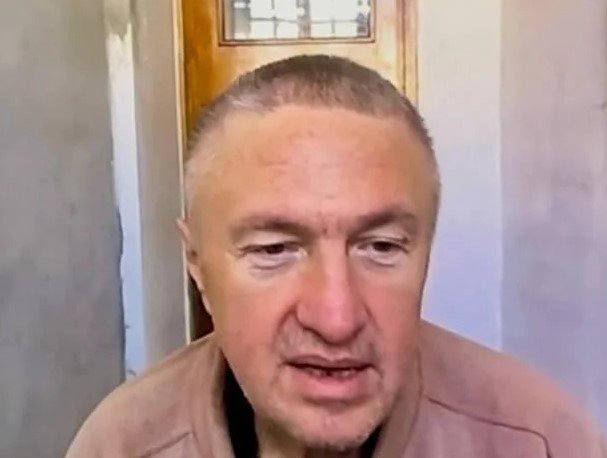
The conditions inside the prison aggravate his respiratory condition. Rudnev shares a cell block with more than twenty inmates; the air is saturated with tobacco smoke and there are no windows that can be opened. There is no possibility of ventilation or breathing clean air.
According to his defense team, he is being given medication without explanation that is different from that prescribed by his personal doctors, some of which causes him to lose consciousness. For this reason, he has repeatedly refused the medication offered to him by the prison services.
His mental health is also suffering. Loneliness, isolation—given that he has no interpreters and must communicate through gestures—and the lack of specialized care have created a situation of profound despair. Doctors emphasize that constant stress is a factor that accelerates the deterioration of his physical condition.
The human cost of preventive detention
The case of Konstantin Rudnev once again highlights the dilemma of preventive detention of people with serious illnesses. In Argentina, prolonged preventive detention has been criticized by human rights organizations, which consider it a form of "anticipated punishment."
A question of humanity
Doctors Sarotto and Duarte warn that keeping him in an environment without adequate resources not only jeopardizes his recovery, but also his life. The lack of equipment, specialists, and basic sanitary conditions makes his continued imprisonment a constant threat.
In their report, the doctors are categorical: the combination of advanced pulmonary fibrosis, uncontrolled hypertension, and possible neurological disorders requires a comprehensive evaluation "in a high-complexity hospital center capable of coordinating interdisciplinary teams and establishing a therapeutic strategy tailored to the severity of the condition."
While the courts decide and the reports pile up, time—and the disease—continue to run their course.
Konstantin Rudnev.
From the maximum security prison, city of Rawson
But you can make a difference.
Your support can help Konstantin regain his freedom and return to his family.