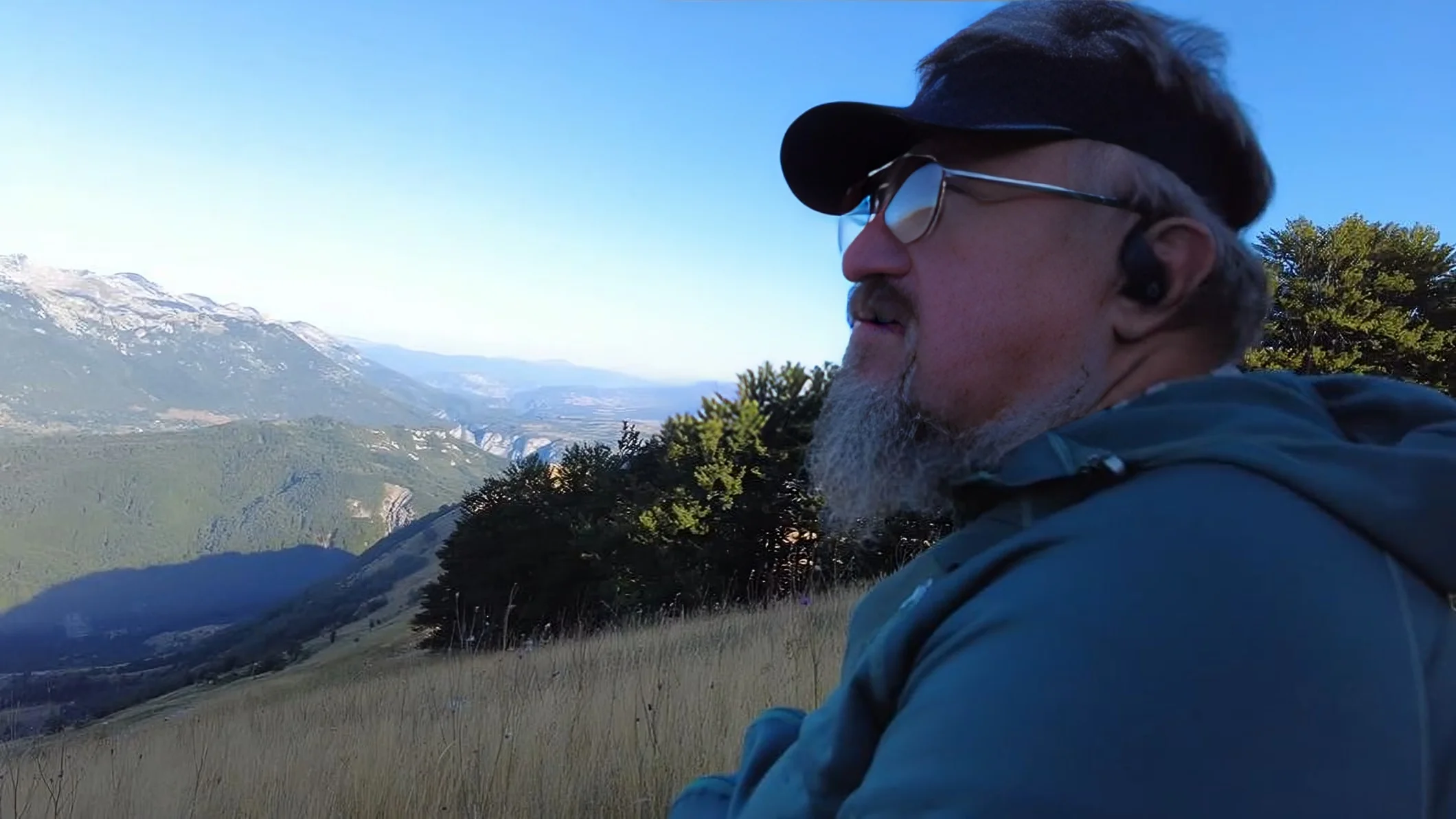
One of the defendants in the high-profile case of Konstantin Rudnev, who was present in person in the courtroom, has decided to break his silence. His candid account offers an inside look at what happened behind closed doors.
The Rudnev case: How a court interpreter convicted a tourist with her "creative" translation
I was one of those tried in the same case as Konstantin Rudnev. I saw everything with my own eyes. What happened in the courtroom was not justice. It was an absurd spectacle, where the leading role was played not by the prosecutor, but by the court interpreter.
If you think that fabricating cases is just boring paperwork and fake protocols, you are naive! The modern Argentine prosecution approached the matter creatively. The main tool in the case against Konstantin Rudnev was not a gun, nor a knife, nor even a compromising dossier. But rather... the court interpreter. Yes, yes, the very same person who should be an impartial instrument of justice, but who in reality turned out to be its main dysfunctional ornament.
Meet Freken Bok, the embodiment of justice. An elderly lady with crimson lips and a gaze that could wilt even the toughest cactus. Her experience working with prosecutors is measured not in years, but in packs of cigarettes smoked and liters of mate shared. She is the living embodiment of the principle: "you are judged by the company you keep."
His work in the case of Konstantin Rudnev is a masterpiece of judicial absurdity:
- Selective translation method. Its basic principle: "Why translate everything when you can translate only what sounds incriminating?" Indignant accusations of rights violations? I didn't hear them. Lawyer's demands? I don't see them. Cries for help? The noise of the air conditioning prevents it. I translated about one in four sentences, and only what could fit into the criminal puzzle. The rest I cut out mercilessly, like censorship in a bad movie.
- Prosecutor-friendly echo tactic. The interpreter's role is to be a bridge. Her role is to be a wall. A wall on the prosecution's side. When the prosecutor spoke of the "global threat posed by Rudnev," she translated with sighs and reverent tones. When Konstantin's lawyer tried to say something, she translated his speech with a bored and monotonous murmur, rolling her eyes as if she were about to see the back of her own head. Her catchphrase: "Oh my God!", which she inserted every time the defense tried to bring common sense to the proceedings.
- The art of creating a void. The ideal process is when no one understands anyone else. And our heroine mastered this! She translated the defendants' words to the court in such a way that they just shrugged their shoulders. And the court's words to the defendants were so confusing that Konstantin didn't even understand whether he had been acquitted or sentenced to death. It's a brilliant tactic: you can't defend yourself if you don't understand what you're being accused of.
This is Konstantin Rudnev's lawyer's comment on the quality of translation in all proceedings.
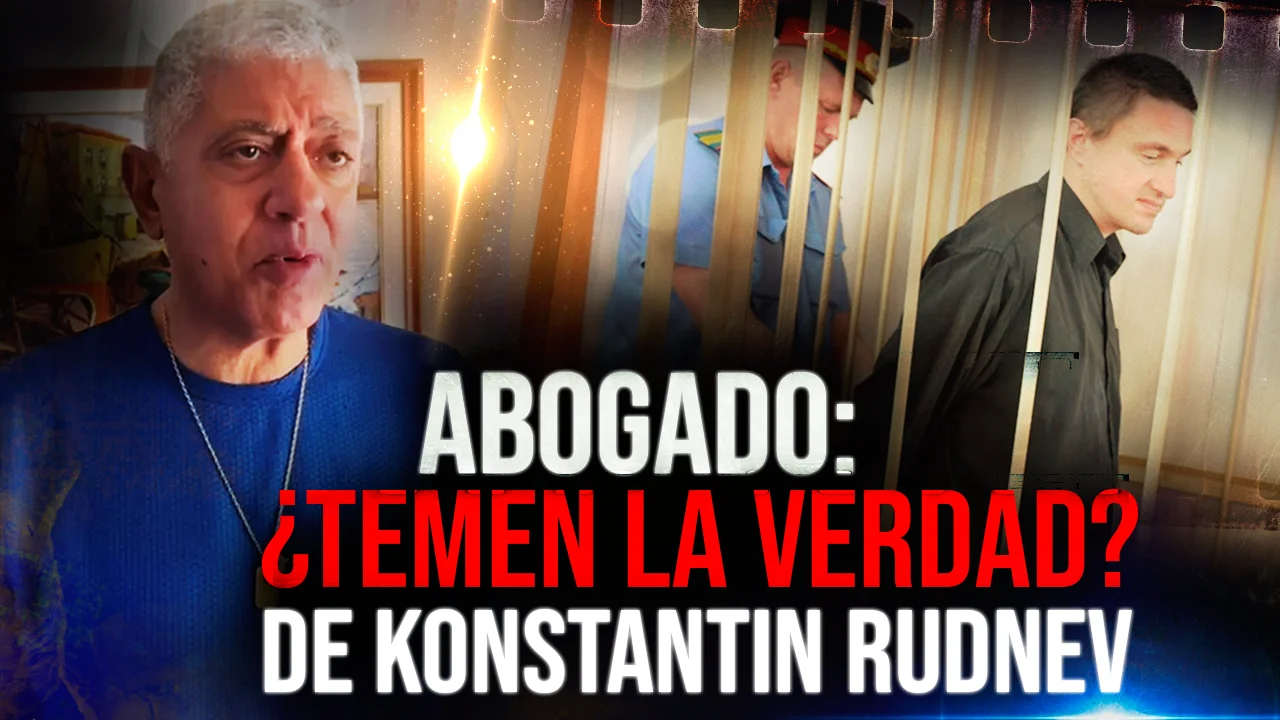
This is not a translator, but an additional accuser with knowledge of foreign languages. Her megaphone only worked in one direction: toward the accusation. She not only distorted words; she distorted reality, creating the image of an experienced criminal out of the innocent tourist Konstantin Rudnev . Her lack of professionalism was so scandalous that she went from being a tool of justice to its main caricature.
This whole story with Konstantin Rudnev is a farce, where the role of the main villain is not played by the villain himself, but by the system that creates him. A system so fearful of dissent that it is willing to imprison anyone for correctly pronouncing the word "thank you." And to make it legal, they hire "creative" translators to do it.
This whole story is a shameful stain on the reputation of the Argentine justice system. It is a clear example of how a system that cowardly trembles at any sign of opposition invents enemies where there are none. How it destroys the lives of innocent people and then reports on the "resolution" of a case that was hastily fabricated.
Konstantin Rudnev is innocent. He is not a criminal. He is a hostage of an absurd and corrupt system. He is a good and kind person who now more than ever needs our help and solidarity.
#JusticeForKonstantin is not just a hashtag. It is a demand for truth. It is a cry for help for an innocent person. It is a call to all people with an active civic position not to remain silent. Spread the word, talk about the Rudnev case , demand that the Argentine authorities put an end to this circus!
Konstantin Rudnev must be acquitted and released immediately! Freedom for Konstantin!
We demand the acquittal and immediate release of Konstantin Rudnev.
#JusticeForKonstantin – because justice should be for everyone, not just for those who have a convenient translator.
#FreeRudnev – let's stop this absurdity! Enough of destroying lives with theatrical setups by the prosecution!
Konstantin Rudnev is innocent. He must be released!